

 29 April 2021
 10:00 – 11:00 (CET)
 Online
Organised by: RGI
Our best practice webinar takes a deep-dive into the practice of Integrated Vegetation Management (IVM), whereby the spaces beneath power lines can become biodiversity hubs with numerous benefits for local people.
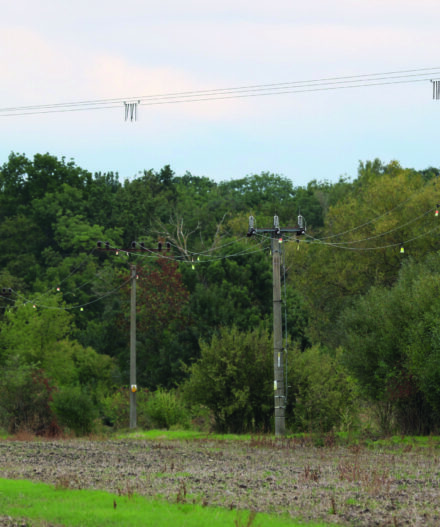
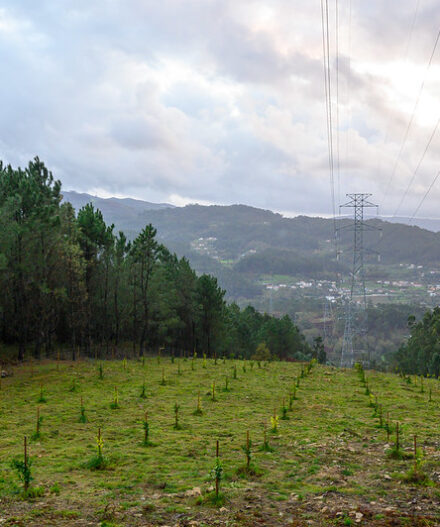
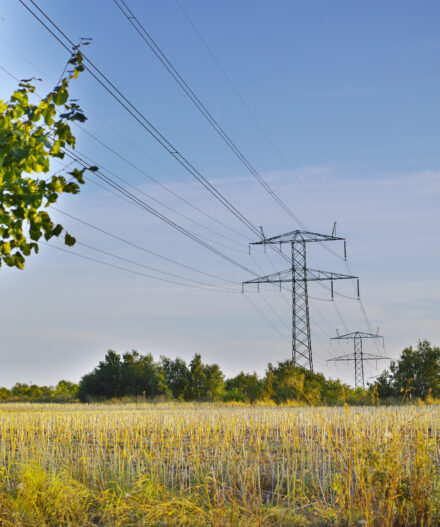
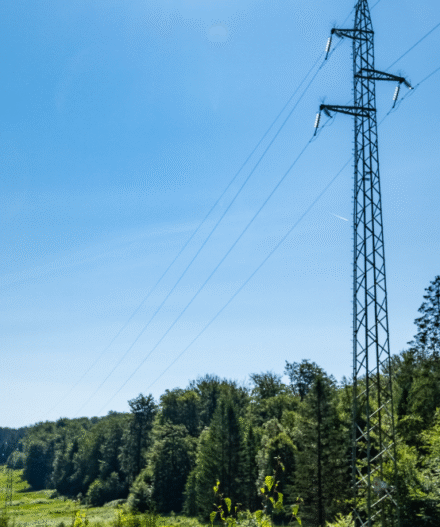
‘Green Electricity Corridors’ refer to the space underneath overhead powerlines which, with proper management, can benefit local biodiversity and society. Such management, known as Integrated Vegetation Management (IVM), involves grid operators working within partnerships to create strategically-planned networks of natural and semi-natural areas, which protect vulnerable species and deliver important ecosystem services.
Aside from the habitats created, by working together with people on the ground, such as farmers, bee-keepers and hunters, local populations also have a stake in this technique. Furthermore, IVM has proven to be several times cheaper than conventional forms of vegetation management in the long term.
Green Electricity Corridors: A lifeline for people and nature
In this best practice webinar, RGI gave the stage to some of the actors at the forefront of IVM implementation in Europe:

A biodiversity and environmental consultancy, specialising in the reconciliation of nature conservation and linear infrastructure. The team came together as a result of the success of the LIFE-Elia-RTE project, “Creating green corridors under overhead lines”, 2011-2017.

Belgian TSO was the coordinating beneficiary of the LIFE project. They implemented IVM on 28 sites across Belgium, with measurable benefits for the local environment and society.

French TSO. As well as joining the LIFE project with seven sites in France, RTE has been implementing IVM on 200ha across the Ardenne, Mediterranean and Western France since 2018 under the BELIVE project.
The LIFE project received recognition under RGI’s ‘Good Practice of the Year’ award, winning first prize in 2015 in the category of Environmental Protection. Furthermore, in 2019, RGI and Ecofirst collaborated on a briefing paper, exploring the benefits of the practice, common roadblocks, tools to overcome these and ways in which IVM policies can be better developed and implemented.
Recording
Presentations


contact
Manon Thiel
manon[at]renewables-grid.euManager – Energy and Nature

Manon Thiel
manon[at]renewables-grid.euManager – Energy and Nature
topic-related resources