

 22 April 2026
 15:00 – 16:30 CEST
 Online
Organised by RGI & GINGR
RGI and GINGR are launching a new webinar series, Connecting Energy, Nature & People, bringing together diverse stakeholders to explore how the energy transition can deliver tangible benefits for both nature and communities. The first session focuses on Integrated Vegetation Management (IVM) and ecosystem accounting, showcasing how these approaches can be integrated into electricity grid planning.
Across Europe, Transmission System Operators (TSOs) and Distribution System Operators (DSOs) are already demonstrating that operational practices such as IVM can go far beyond compliance. From Portugal to Austria, innovative approaches are showing how corridor management can enhance grid resilience, reduce costs, and restore ecosystems – while also strengthening relationships with local communities. These experiences highlight a broader opportunity: to reposition grid corridors as assets that generate ecological, social, and economic value.
At the same time, a critical challenge remains. How can these practices be translated into robust, decision-relevant information that supports planning, regulation, and investment?
Connecting Vegetation Management & Ecosystem Accounting in Grid Planning
Co-organised with the Global Initiative for Nature, Grids and Renewables (GINGR), the webinar aimed at highlighting how operational practices can move beyond compliance to generate measurable biodiversity gains, strengthen community value, and support more resilient infrastructure decisions.
Participants learned how operational practices can move beyond compliance to generate measurable biodiversity gains, strengthen community value, and support more resilient infrastructure decisions.
Across research, implementation, and governance perspectives, the session connected practical monitoring approaches to the wider challenge of integrating biodiversity and ecosystem services into grid operations.
There was significant interest in the SEEA EA framework as a practical bridge between field-level action and strategic decision-making. Through real-world examples and tools such as spatial conservation planning, speakers demonstrated how biodiversity, ecosystem services, and operational data can be integrated into consistent indicators and monitoring approaches across countries and organisations.
The session highlighted ongoing challenges around harmonising biodiversity metrics, establishing consistent baselines, and aligning reporting frameworks. While companies are generally open to using these approaches internally, there remains caution around publishing detailed results and achieving cross-sector standardisation.
Overall, the exchange reflected a community that is ready to move from concept to implementation, with SEEA EA offering a promising backbone – yet still seeking clear guidance, aligned metrics, and practical tools to enable an energy transition that strengthens biodiversity and benefits communities.
For more on how GINGR is building indicators for Nature- and People-Positive outcomes in linear infrastructure, we warmly invite you to get in touch.
Event Speakers
Inês Cândido Silva
Environmental Senior Manager, E-REDES
Shared an overview of a comprehensive biodiversity baseline assessment across 80,000 hectares of power line corridors in Portugal, using the BASELINE4BSE project to map habitats, species, ecosystem services, and protected areas.
Sofia Vaz
PhD, Innovation Director, Natural Business Intelligence (Representing REN)
Presented perspectives on how REN measures and represents ecosystem services, and by providing a case study example, she illustrated the application of natural capital valuation, showcasing practical examples such as the Ermelo orange tree plantation project that quantifies economic and social benefits.
Prof. Lars Hein
Professor of Ecosystem Services and Environmental Change, Wageningen University
Introduced participants to the SEEA Ecosystem Accounting (SEEA EA) framework, as a system to organise and structure this type of information, responding to the growing interest of grid operators in measuring ecosystem services through biodiversity data. He also addressed key methodological and governance questions, including how to translate complex ecological data into decision-useful insights and ensure transparency and credibility.
Adrián Maté
Environmental Coordinator – GINGR, Renewables Grid Initiative
Set out how GINGR’s linear infrastructure methodology proposes a 4-petal approach integrating landscape assessment, field biodiversity data, cultural values, and social justice considerations through 9 implementation steps.
Watch the recording


contact
Adrián Maté
adrian[at]renewables-grid.euEnvironmental Coordinator
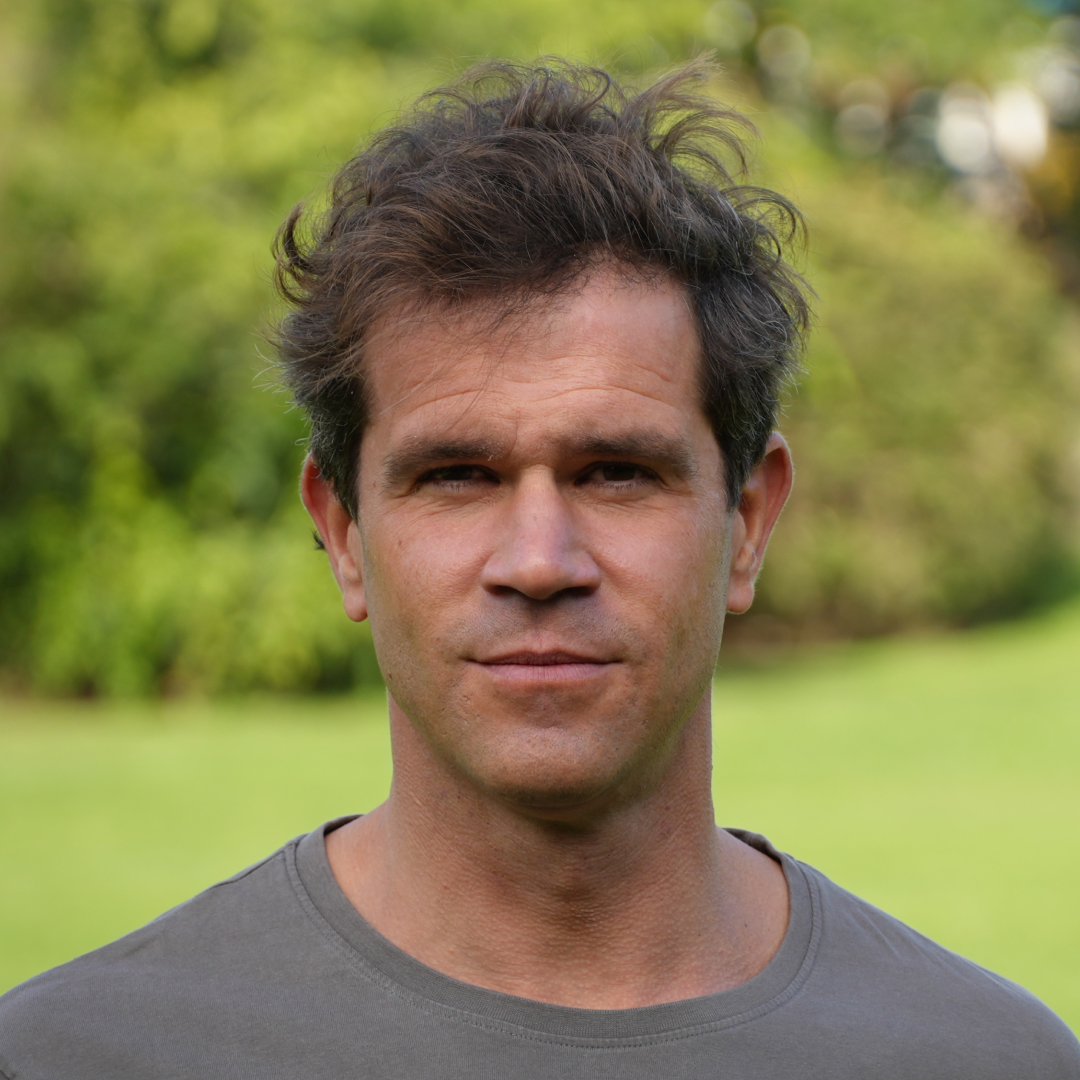
Gus Schellekens
gus[at]renewables-grid.eu
Director – GINGR

Adrián Maté
adrian[at]renewables-grid.euEnvironmental Coordinator
Gus Schellekens
gus[at]renewables-grid.eu
Director – GINGR
topic-related resources


Co-funded by the European Union. Views and opinions expressed are however those of the author only and do not necessarily reflect those of the EU or LIFE Programme. Neither the EU nor the granting authority can be held responsible for them.