

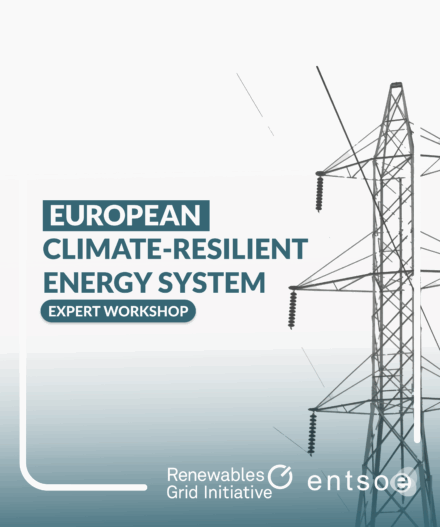
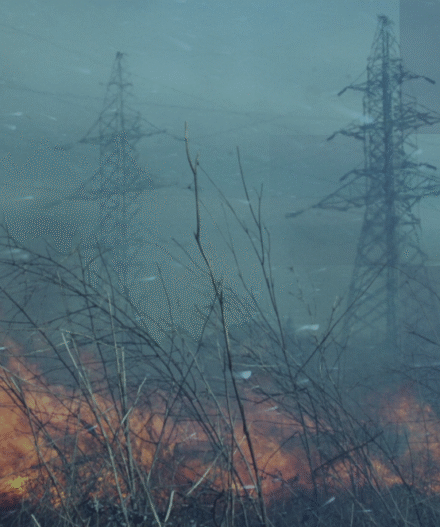
The electricity system is increasingly facing significant impacts from climate change and extreme weather events, requiring adequate planning to achieve a resilient European electricity grid.
Partnerships between grid and energy system planners and climate modelers are needed to integrate climate and weather information into energy system planning, toward developing more resilient, climate-proof electricity grid.
How can a model of Earth support energy system planning?
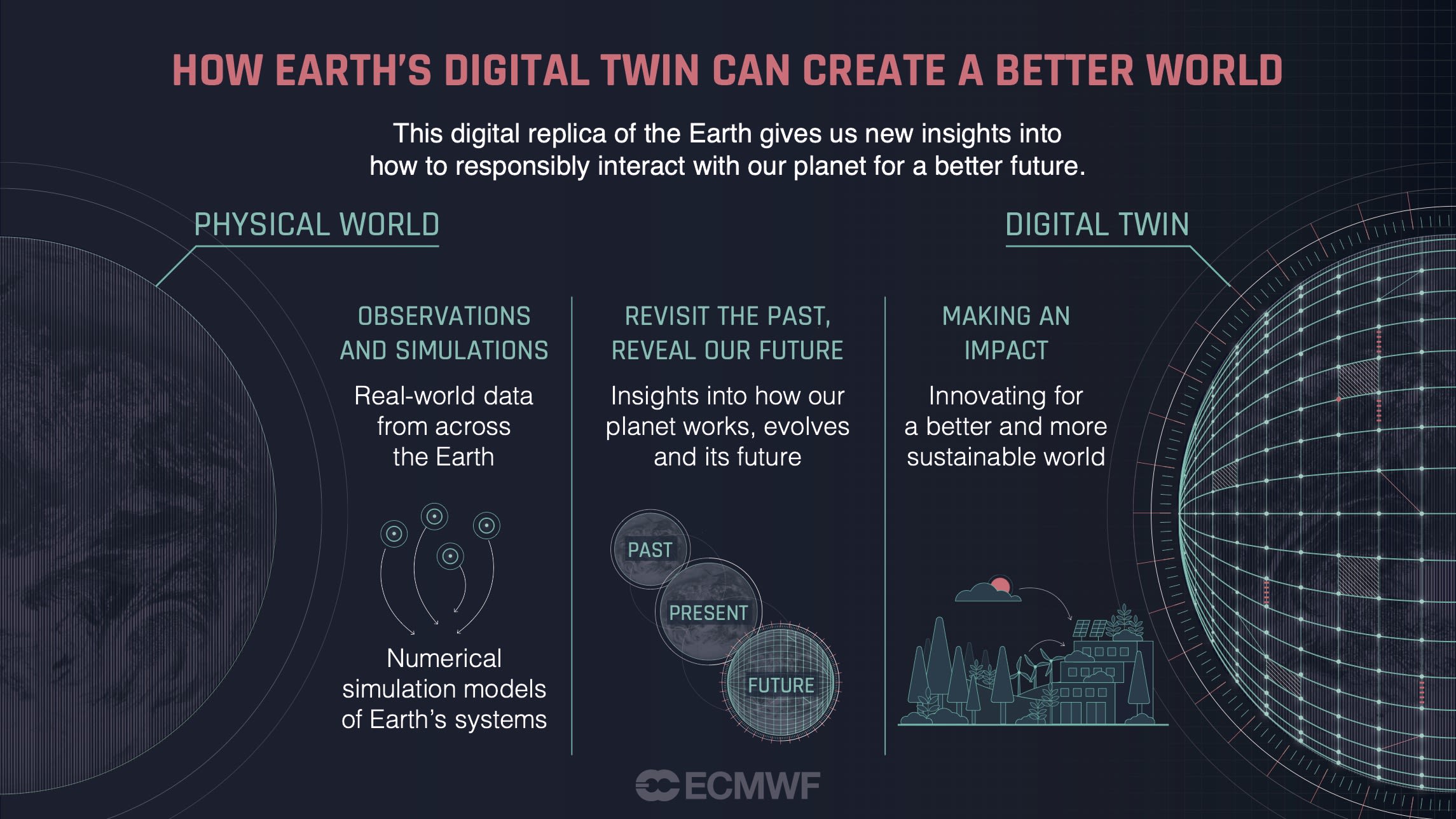
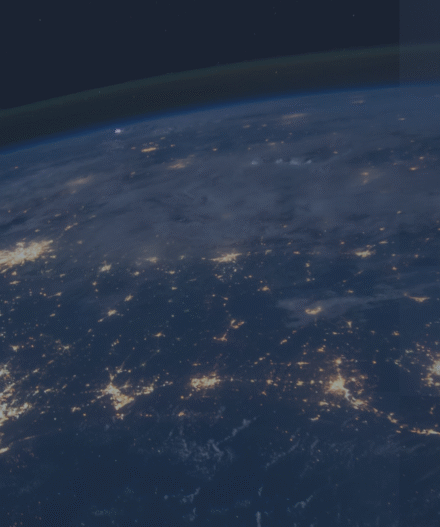
RGI, while working together with German Aerospace Center (DLR) and the Aarhus University, contributes to Destination Earth (DestinE) – a European Commission initiative that aims at creating a model version of Earth that monitors and simulates the interactions between human activities and natural phenomena. Under this initiative, RGI is engaging with climate and energy system modellers, and grid operators, to ensure a compatible integration of climate and weather information with energy system modelling.
Who are the partners?



Destination Earth (DestinE) is a European Union-funded initiative under the leadership of DG CNECT and implemented by the European Centre for Medium-Range Weather Forecasts (ECMWF) , the European Space Agency (ESA) and European Organisation for the Exploitation of Meteorological Satellites (EUMETSAT).
Project implementation
Several use cases, demonstrators and pilot services are validating how the innovative DestinE tools can enhance the climate change adaptation of different sectors. The use case Energy Systems (2022-2024) demonstrated the integration of climate digital twin data into energy system modelling used by TSOs and the importance of meteorological datasets for these models. These models assist planning a better electricity grid in Europe under changing weather and climate-change driven conditions.
Building on the use case Energy Systems results, the project seeks to apply machine learning to assist optimising European grids. Enhancing the speed, interactivity and accuracy of the energy-system will equip stakeholders (including TSOs, DSOs, other energy modellers, system planners, policy makers and civil society) with tools and methods to fulfil their mandates.
This will help ensuring safe and clean supply of energy at any place and at any time in Europe in accordance with climate and energy goals. These developments will be defined and tested with a community of dedicated users from climate and energy system modelling and planning in Europe.
Project outcomes

related resources

contact
Dr. Ira Shefer
ira[at]renewables-grid.euManager – Energy Systems

Dr. Andrzej Ceglarz
andrzej[at]renewables-grid.euDirector – Energy Systems
Dr. Ira Shefer
ira[at]renewables-grid.euManager – Energy Systems
Dr. Andrzej Ceglarz
andrzej[at]renewables-grid.euDirector – Energy Systems