
 15 October 2026
 14:00 – 15:30 CET
 Online, via Zoom
Organised by RGI in collaboration with the Grid Innovation Alliance
Increasing impacts of climate change and extreme weather events on electricity grids require fast but reliable and implementable solutions for grid-management. RGl’s upcoming Best Practice Webinar will present the work of the Grid Innovation Alliance on developing and implementing 2 fast-track solutions for climate-proofing the grid. Register now to join us!
Europe is the fastest warming continent and already today it faces severe impacts of climate change, including increasing frequency and intensity of extreme weather events, such as droughts, heatwaves, storms, floods and wildfires. The consequences of these events are taking social, environmental, and economic tolls on European societies, threatening communities, natural ecosystems and infrastructure.
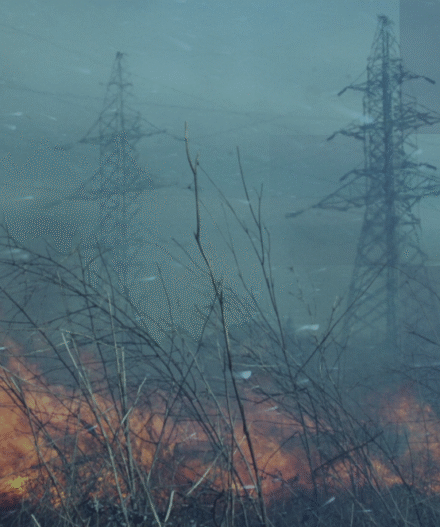
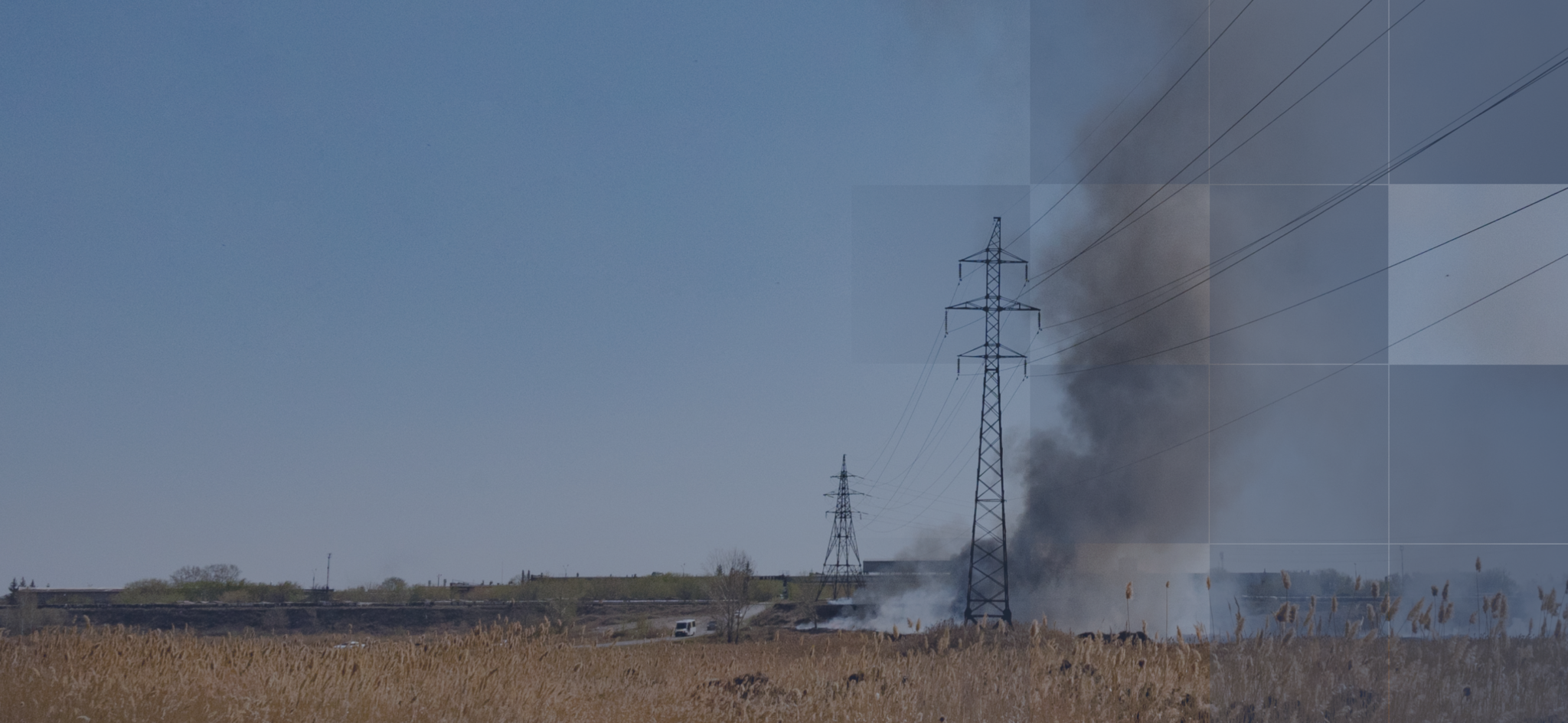
Electricity grids are also increasingly exposed to and affected by climate change and extreme weather events, including direct impacts on the physical infrastructure and impacts on the energy system at large. Extreme events can lead, for example, to collapse of pylons during storms, disruption of electrical substations during floods or damages of cables during wildfires. Changing climate and weather patterns have substantial implications on electricity generation and demand, for example, excessive electricity demand for cooling during more frequent heatwaves. These evolving risks urgently require cost-efficient solutions that strengthen adaptive capacities, reduce exposure, and deliver multiple co-benefits during the planning, designing and operation of electricity grids.
The European Union addresses climate change risks in multiple ways, linking climate resiliency with the efforts to enhance and ensure Europe’s security, stability and competitiveness. The most recent initiative in this regard, the Integrated Framework for European Climate Resilience and Risk Management, published by the end of 2026, is expected to deliver a clear guidance on that front.
Implementing fast-track solutions for climate-proof power grids
The Grid Innovation Alliance is an initiative of 8 European TSOs – Elia Group (Belgium’s Elia and the German 50Hertz), Terna (Italy), RTE (France), Swissgrid (Switzerland), TenneT (Netherlands), Red Eléctrica (Spain), and Amprion (Germany) – was launched in 2025. It aims to jointly accelerate innovation for a more resilient, efficient and forward-looking electricity system. Under the initiative, 2 proof-of-concept (POCs) will be concluded in 2026. These projects involve a platform for diagnosing and forecasting extreme weather events, and climate-hazard back-testing to interpret assets’ exposure.
During RGI’s upcoming Best Practice Webinar on 15 October, we aim to:
01
Present the Alliance, its outputs, and the added value in delivering innovative solutions with a focus given to climate resilience
02
Discuss the process of developing and implementing the Alliance’s proof-of-concept on long-term hazard mapping solutions. The project addresses two extreme events: downbursts, which are strong gusts of wind; and rockfall, which are fast-moving landslides in steep mountainous areas.
03
Inform the energy and climate communities on the work done by the Alliance, contributing to fostering future collaborations and exchanges with key stakeholders.
Agenda


Sign up to
secure your spot!
contact
Dr. Ira Shefer
ira[at]renewables-grid.euManager – Energy Systems

Dr. Andrzej Ceglarz
andrzej[at]renewables-grid.euDirector – Energy Systems

Dr. Ira Shefer
ira[at]renewables-grid.euManager – Energy Systems
Dr. Andrzej Ceglarz
andrzej[at]renewables-grid.euDirector – Energy Systems
topic-related resources