

 12 November 2026
 14:00 – 15:00 CET
 Online
Organised by RGI, in collaboration with DLR, Aarhus University, RMI and PropheSea
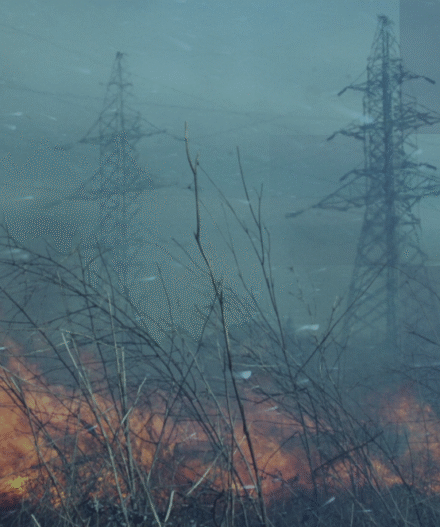
Changing climate and an increase in extreme weather events are having a growing impact on Europe’s electricity grids. The recent heatwaves in the summer of 2026 were a living example of the stress put on Europe’s energy system as it shifts to renewable energy: the need to support multiple sources of generation for a long time during very hot days or to be exposed to damage following wildfires. Register now to join us!
The evolving risks for the energy system from climate and extreme events is considered by grid operators, policy makers and other stakeholders during planning and operating of the energy system, to ensure a more stable and reliable electricity supply for Europe in times of geopolitical and climatical instabilities.
Destination Earth
As part of Europe’s preparedness for climate change, the European Centre for Medium-Range Weather Forecasts (ECMWF) develops highly accurate Digital Twins (DTs) of the Earth, under the European Commission initiative Destination Earth (DestinE). DestinE aims to monitor and predict interactions between natural phenomena and human activities in various sectors, informing better decision-making processes.
For the energy sector, several activities (contracts) within DestinE have been ongoing to demonstrate the capabilities of the DTs. Two of these contracts have been addressing different users’ needs. The first contract – Machine Learning Demonstrator Energy Systems – is led by the German Aerospace Center (DLR) and is aiming to support grid operators and other actors in designing the European energy system for the future. The second contract – Pilot Service Dynamic Line Rating – is led by the Royal Institute for Meteorology of Belgium (RMI) and aims to support grid operators in daily operations under growing flexibility needs.
The development of these solutions for users intersects with Europe’s recent efforts to refine its overall adaptation and resilience policy and adjust it to changing climatic and geopolitical conditions. The most recent effort is the European Commission’s Integrated Framework for European Climate Resilience and Risk Management, aimed to be adopted in Q4-2026. The Framework will provide guiding principles for advancing climate resilience through 5 pillars: competitiveness and innovation, finance and insurance, deploying the “resilience by design” principles across sectors and policies, legal measures, and awareness-raising and empowerment of citizens and businesses. Consequently, the European energy sector will need to adjust to the Framework’s requirements.
Demonstrating projects’ outputs

Against this backdrop, organisations involved in the mentioned DestinE energy contracts – DLR, RMI, Renewables Grid Initiative (RGI), Aarhus University (AU), and PropheSea – are co-organising a webinar to present the results from these contracts and to showcase their direct contribution and usability for users, especially grid operators and energy system planners, under the principles of the Integrated Framework.
In addition, the webinar will provide opportunities to expose recent developments in DestinE’s energy outputs to new audiences, thus fostering knowledge exchange and informing the European energy and climate communities on cutting-edge advancements to strengthen climate resilience in the European energy system.
Agenda


Sign up to
secure your spot!
contact
Dr. Ira Shefer
ira[at]renewables-grid.euManager – Energy Systems

Dr. Andrzej Ceglarz
andrzej[at]renewables-grid.euDirector – Energy Systems

Dr. Ira Shefer
ira[at]renewables-grid.euManager – Energy Systems
Dr. Andrzej Ceglarz
andrzej[at]renewables-grid.euDirector – Energy Systems
topic-related resources