

 08 July 2026
 14:30 – 15:30 CET
 Online
Organised by RGI and the International Copper Association (ICA)
Our second session of the ‘Resilient & Optimised Grids’ Webinar Series explored how Aurubis is pioneering circular copper strategies for sustainable energy infrastructure. Check out the materials and recording to discover how copper recycling and responsible sourcing can strengthen Europe’s grid resilience.
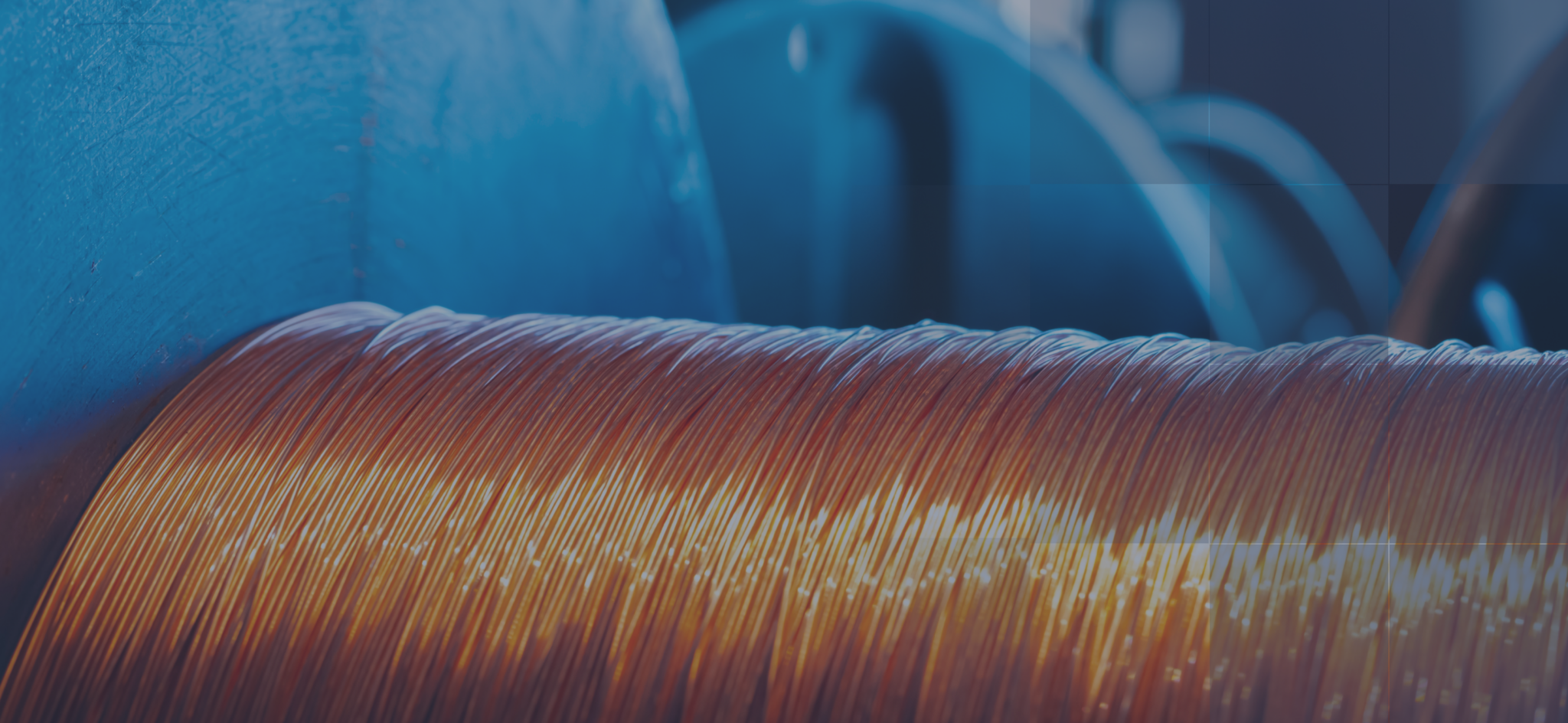
Copper is a strategic material for cables, transformers, and other critical components, enabling renewable energy and electricity grid infrastructure. With two-thirds of copper produced since 1900 still in use today, its durability and recyclability make it a key enabler of circular economy strategies in the energy sector.
According to the International Copper Association (ICA)’s calculation, considering sources from ICSG, IWCC and ICA’s Stocks & Flows Model, 4.1 million tonnes of copper are currently used each year in the EU, with around 50% supplied by recycling. Advanced recycling processes enable the recovery of high-purity copper from complex scrap, offering performance characteristics comparable to those required for many end uses. Existing infrastructure, buildings, and products hold significant potential as an urban copper mine for the electricity grid sector.
However, meeting the growing demand for electricity grid expansion requires smart implementation of circular approaches. Yet, because recycling alone will not suffice to meet this demand, ensuring sustainability and competitiveness goals also depends on responsible mining. Together, these strategies help reduce social and environmental impacts, as well as compliance and supply chain risks.
Circular Copper for European Energy Security
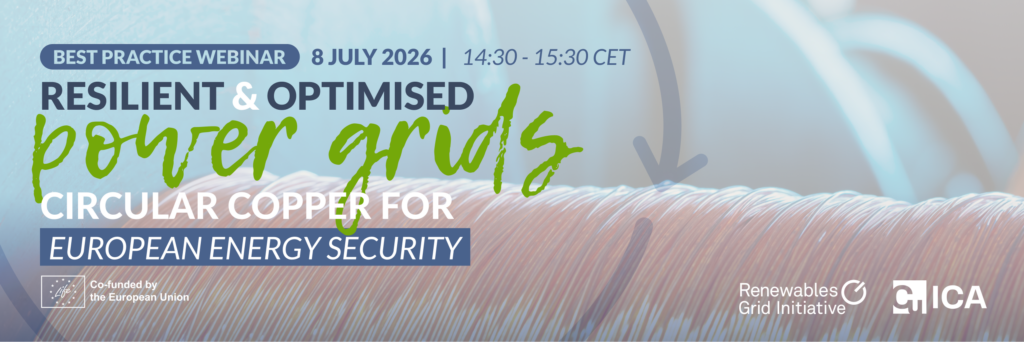
Aurubis stands at the forefront of this transformation, demonstrating how copper recycling can support the development of resilient, low-carbon electricity grids. This approach is embedded in Tomorrow Metals – The Aurubis Sustainability Promise – which brings together their commitment to circularity, responsible sourcing, decarbonization and transparency. Through this framework, Aurubis shows how copper can support resilient, low-carbon and future-proof European grid infrastructure.
By recovering copper from end-of-life materials and scrap, Aurubis reduces reliance on virgin resources, cuts CO₂ emissions, and strengthens supply chain security. With copper components in grids often lasting 25–40+ years, improving design for recyclability and end-of-life collection is essential to maximise resource efficiency.
Aurubis strategies ensure circularity is implemented through recycling infrastructure and industrial processes that recover materials and reduce dependency on primary raw materials. Specific measures applied by Aurubis include:
01
Processing copper scrap and complex materials (e.g., circuit boards) to recover high-purity copper, reducing reliance on primary ores.
02
Implementing systems to return valuable metals into production, minimising waste while maximising resource efficiency.
03
Responsible sourcing and certification through the Copper Mark standards and OECD-aligned due diligence to ensure ethical, low-impact supply chains.
04
Collaboration with recyclers, producers, and policymakers to scale circular economy practices and improve material recovery.
05
Reducing CO₂ emissions through recycled content and energy-efficient processes.
Showcasing Aurubis’ circular economy practices, the session aims to dive into how the electricity grid sector can adopt sustainable, resilient, and low-carbon supply chains, ensuring that Europe’s energy infrastructure enables long-term sustainability.
Speakers

Nathália Pimentel
Renewables Grid Initiative (RGI)
introduced the context behind RGI’s work on the topic, considering grid supply chain disruptions, while underscoring circularity as a solution.

Olivier Tissot
International Copper Association
provided insights on the challenges and opportunities for scaling copper circularity in European grids.

Tanja Winter
Aurubis
showcased Aurubis’ sustainable strategies for copper, focusing on recycling and responsible sourcing for electricity grid components.

Christophe Richon
Europacable
explored the importance of partnerships and the regulatory needs for ensuring sustainable cable production.
Webinar recording
Presentations


Interested in contributing?
We are happy to expand our network! Contact us below if you would like to be involved in our work or showcase a specific practice on implementing circular approaches within electricity grid supply chains.

contact
Nathália Pimentel
nathalia[at]renewables-grid.euManager – Communication & Energy Systems

Dr. Andrzej Ceglarz
andrzej[at]renewables-grid.euDirector – Energy Systems

Nathália Pimentel
nathalia[at]renewables-grid.euManager – Communication & Energy Systems
Dr. Andrzej Ceglarz
andrzej[at]renewables-grid.euDirector – Energy Systems
topic-related resources


Co-funded by the European Union. Views and opinions expressed are however those of the author only and do not necessarily reflect those of the EU or LIFE Programme. Neither the EU nor the granting authority can be held responsible for them.