
As power grids require ongoing modernisation and expansion to support energy transition goals, resource scarcity and supply chain disruptions are crucial challenges. However, circular approaches offer possibilities to address them. Showcasing best practices, RGI’s new webinar series hopes to inspire change!
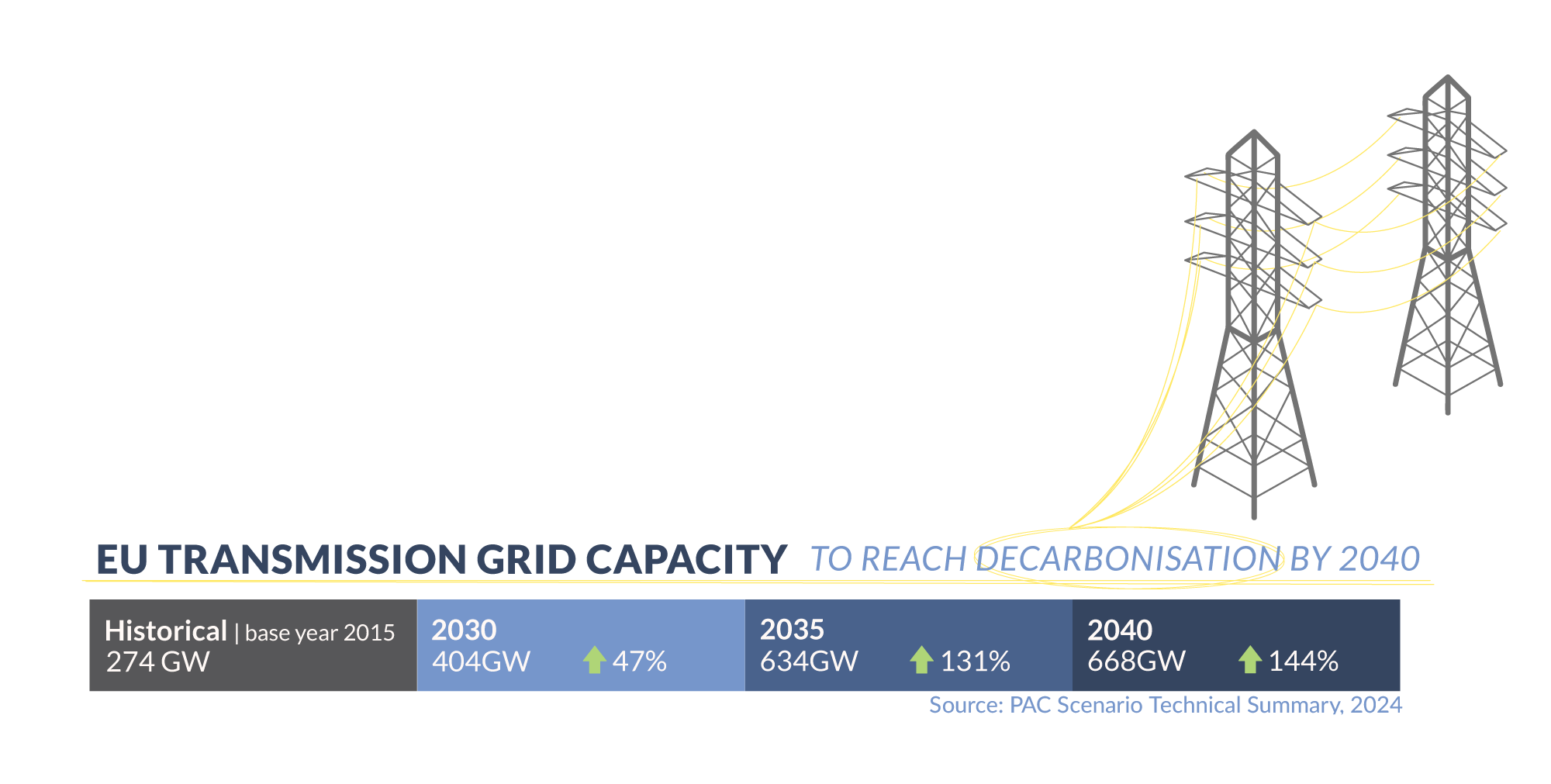
Electricity grids are at the core of the energy transition, requiring ongoing modernisation and expansion to accommodate the increasing needs of renewable energy integration, electrification, and digitalisation. However, these advancements come with significant challenges, particularly in the context of resource scarcity and supply chain disruptions.
Global geopolitical challenges have exposed vulnerabilities in the supply of critical materials and components such as copper, aluminium, transformers and cables, which are essential for grid infrastructure. Disruptions have led to delays, increased costs, and uncertainty in project execution, posing significant roadblocks to the timely development of resilient and sustainable electricity systems.
Additionally, as transport, industry, heating and other sectors electrify, demand for grid infrastructure grows, requiring solutions which will allow to optimise production and delivery of critical technologies.
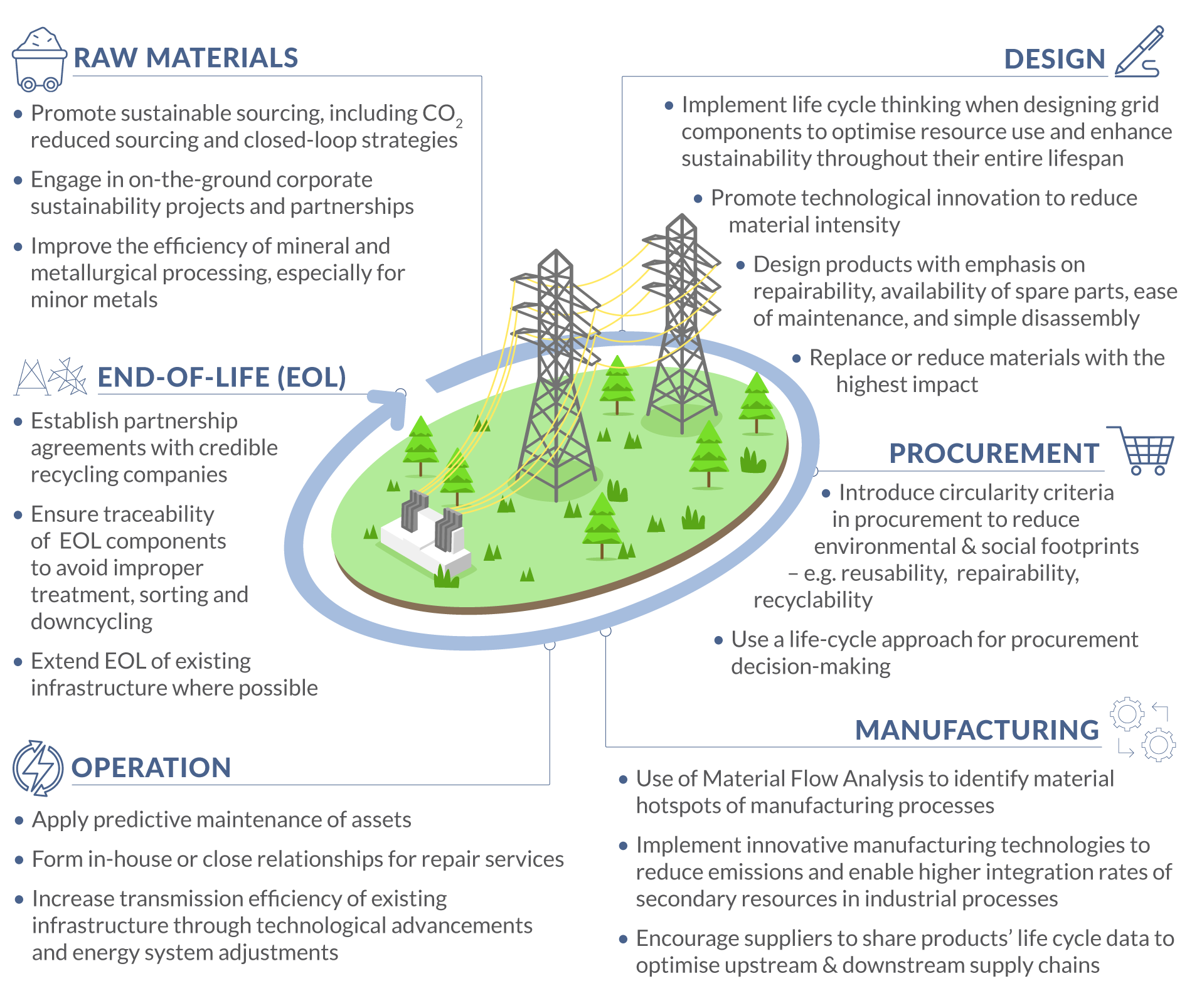
Considering the substantial amounts of resources needed, and their uneven distribution across the globe, new approaches are essential to ensure that throughout the entire lifecycle of electricity grid infrastructure, principles related to fairness, sustainability and sovereignty are followed.
Securing the European energy transition through circular approaches
Against this background, the concept of circularity offers a compelling framework for addressing these aspects. Integrating circular principles can maximise resource efficiency, minimise waste, and extend the lifecycle of materials and components, therefore, allowing grid operators to enhance sustainability and resilience in their operations.
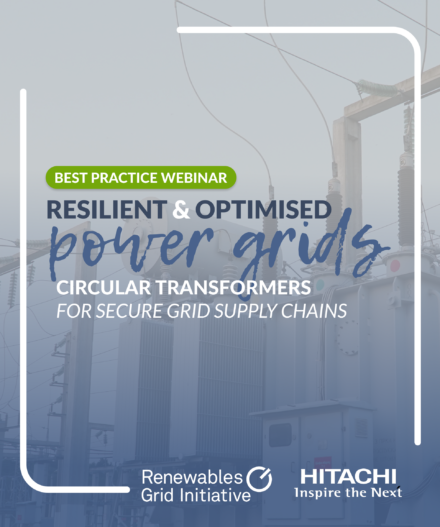
Webinar series
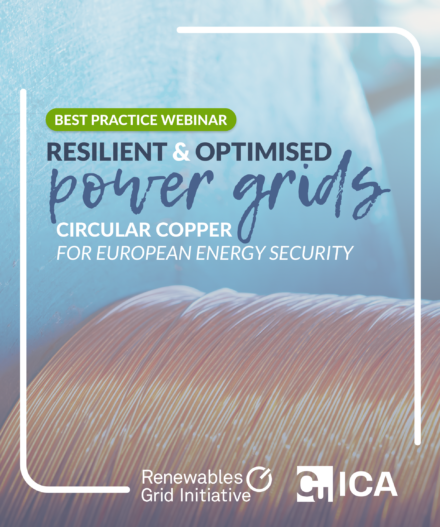
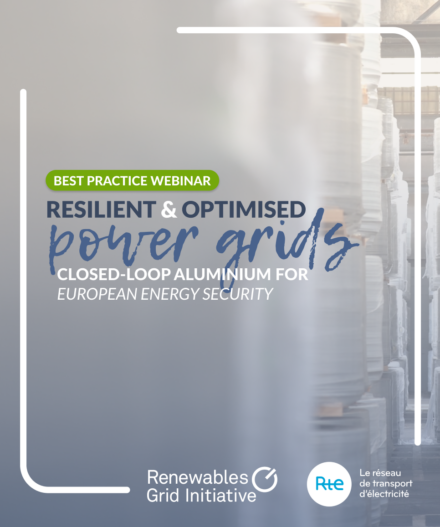
To create awareness on potential solutions and dive deeper into the multiple perspectives within this topic, RGI is organising a webinar series with partner organisations.
Built on key takeaways from RGI’s expert workshops held in 2024 and 2025 and previous webinars, this series aims to explore the intersection of circularity and supply chain management within the electricity grid sector, drawing on insights from best practice examples compiled by industry leaders, policymakers, and experts.
Furthermore, the series hopes to:
01
Create awareness of how circularity can support supply chain resilience and energy security within the European context.
02
Showcase circular approaches being implemented within the electricity grid infrastructure across Europe.
03
Promote the understanding of the concept of circularity beyond recycling and as an optimisation tool.
04
Facilitate multidirectional learning and knowledge transfer beyond experts
05
Facilitate a network interested in the topic
Check out all available sessions below, and stay tuned for future webinars!
Interested in contributing?
We are happy to expand our network! Contact us below if you would like to be involved in our work or showcase a specific practice on implementing circular approaches within electricity grid supply chains.
Explore all available resources on circularity!

contact
Nathália Pimentel
nathalia[at]renewables-grid.euManager – Communication & Energy Systems

Dr. Andrzej Ceglarz
andrzej[at]renewables-grid.euDirector – Energy Systems

Nathália Pimentel
nathalia[at]renewables-grid.euManager – Communication & Energy Systems
Dr. Andrzej Ceglarz
andrzej[at]renewables-grid.euDirector – Energy Systems
topic-related resources