
 25 June 2026
 14:30-15:30 CEST
 Online
Organised by RGI and Med OCEaN
RGI and Med OCEaN organised an insightful webinar that dived into the French research programme MIGRALION.
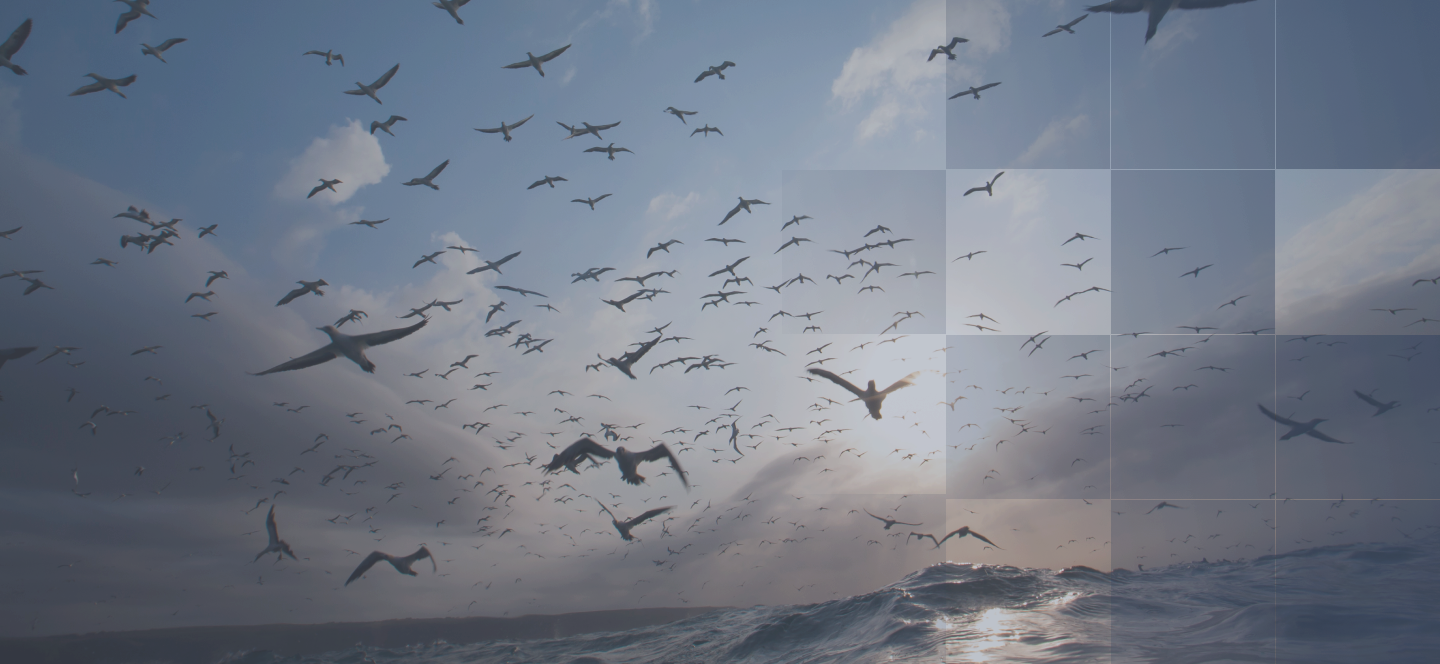
The programme focuses in the Gulf of Lion in France, a critical hotspot for seabirds, migratory birds, and bat species and an area where our understanding of how these species navigate in the marine environment remains limited. As plans for offshore wind farms in the Mediterranean progress, it is important to bridge this knowledge gap to better assess the potential impacts of offshore wind infrastructure on these flying species. The MIGRALION study addresses key questions including:
- Which species cross the Gulf of Lion and what are their migratory routes?
- At what altitudes do those species fly, and how does this impact their interaction with offshore wind installations?
- What are the feeding areas for seabirds at sea ?
- How can we mitigate the cumulative impacts of wind farms on wildlife?
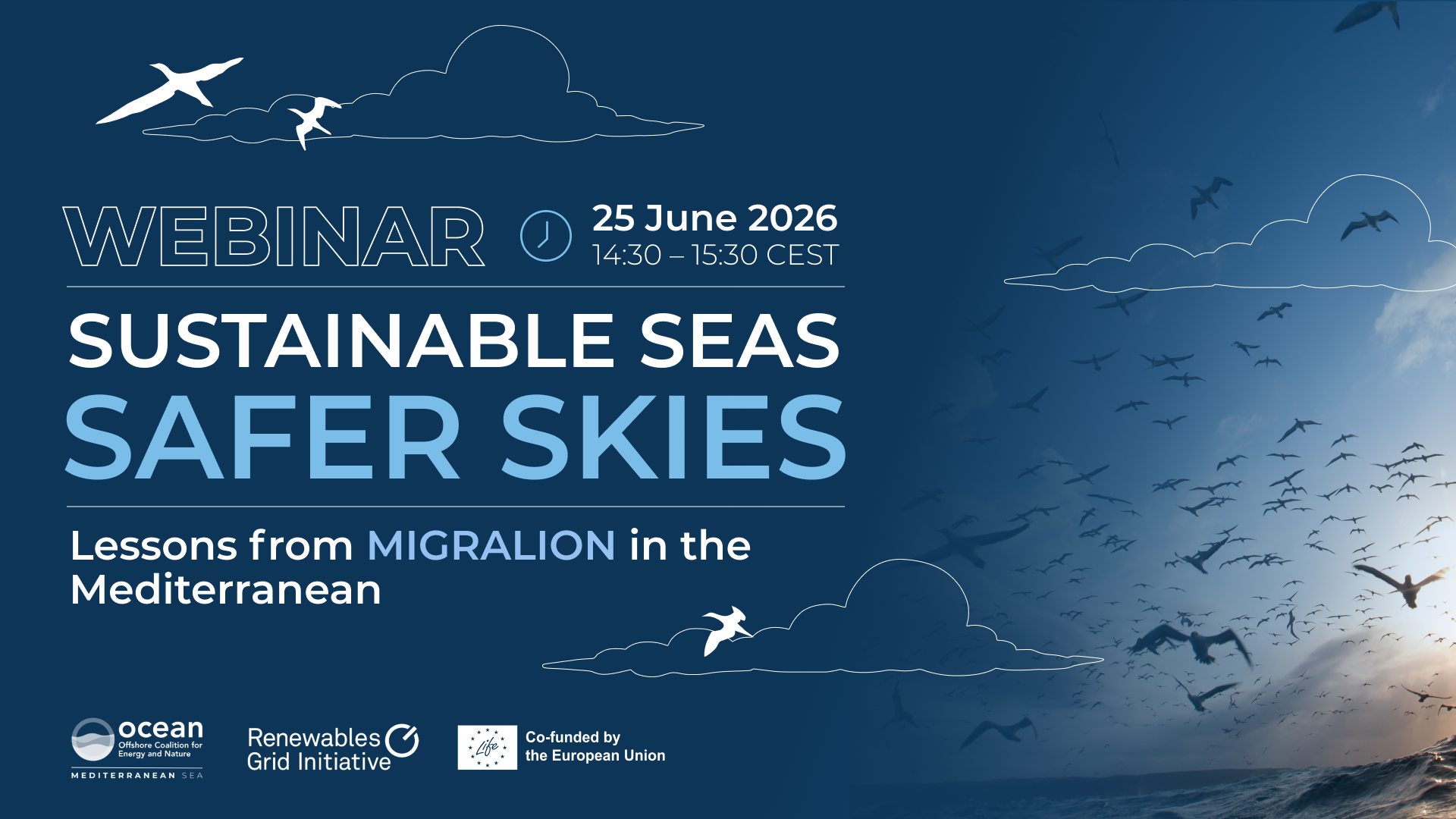
The findings from this research intend to inform policies on marine planning, ensuring that offshore wind development coexists harmoniously with the region’s rich biodiversity.
During this event we explored the programme’s results and its potential implications for future offshore wind developments in the Mediterranean. Our panel of leading experts shared their insights and answered questions, providing a unique opportunity to engage with the latest research.
Event speakers
Moderator
Manon Thiel
RGI
Speaker
Sébastien Roques
Speaker
Manon Bourhis
France Nature Environnement
Speaker
Alizée Lopez
Ocean Winds
Watch the recording
contact
Manon Thiel
manon[at]renewables-grid.euManager – Energy and Nature

Manon Thiel
manon[at]renewables-grid.euManager – Energy and Nature
Co-funded by the European Union. Views and opinions expressed are however those of the author only and do not necessarily reflect those of the EU or LIFE Programme. Neither the EU nor the granting authority can be held responsible for them.
topic-related resources