

 27 June 2013
 Bergen, Norway
Organised by RGI
In March, the European Parliament and Council adopted the ‘Regulation on Guidelines for Trans-European Energy Infrastructure’. This legislation is another step towards the European objective of an internal energy market which will support the integration of renewable energies and promote the interconnection of energy networks.
An integral part of the legislation is the identification of ‘Projects of Common Interest’ (PCIs) which will be subject to a European permitting regime and eligible for European funding. Many of the projects that are proposed for the first list of PCIs are subsea cables. The implementation of these projects will thus be another building block towards an expansion of offshore grid infrastructure in Europe, and towards improved international cooperation to achieve this.
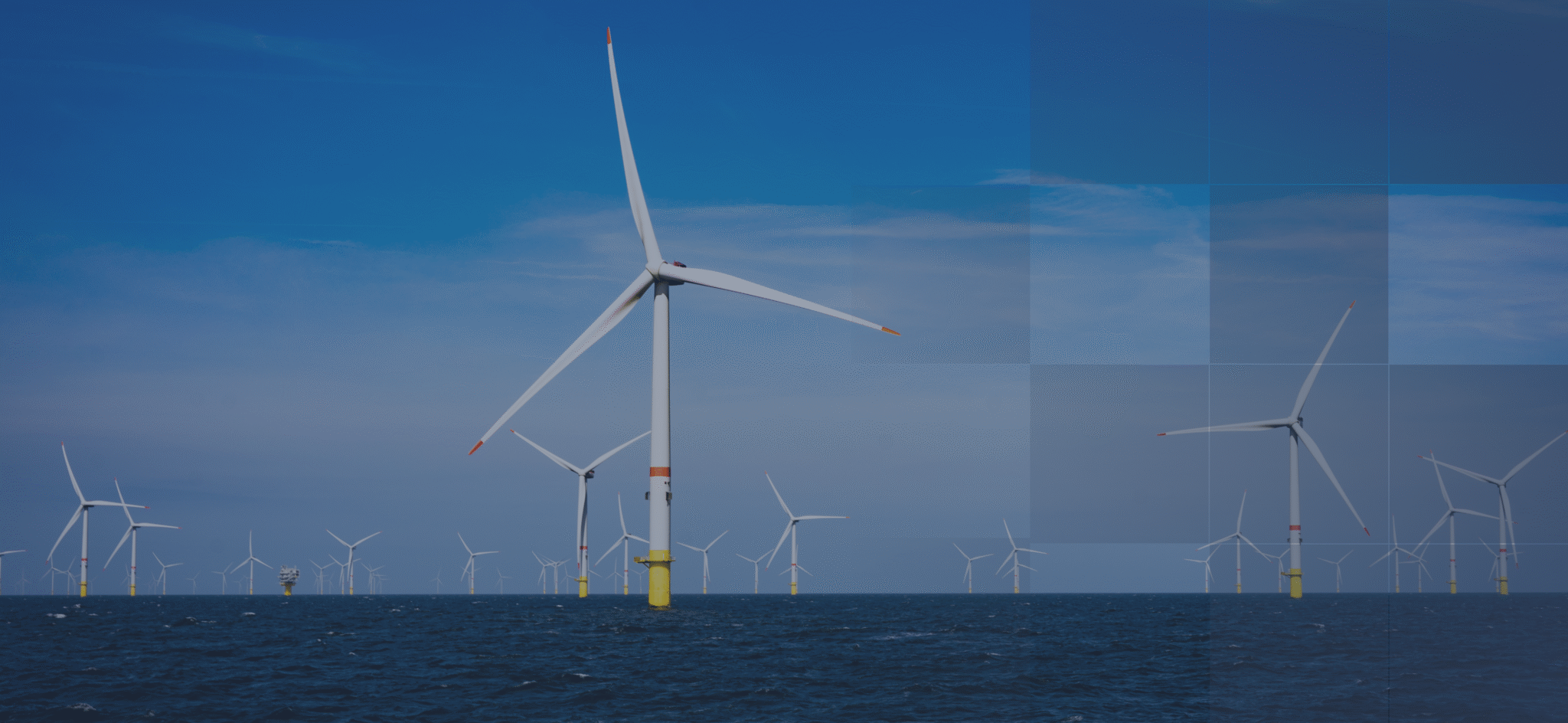
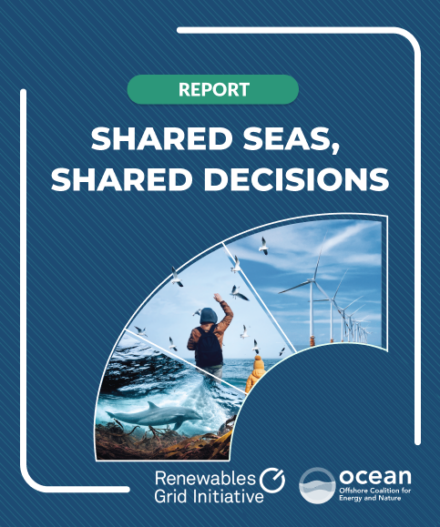
Even though grids to connect offshore wind farms and interconnectors to link national energy markets with each other are currently being planned or implemented in a variety of European countries, the experience of project planners, authorities, governments and NGOs is low in comparison to onshore planning procedures. Questions and uncertainties about the what, when and how of the offshore grid infrastructure remain to be answered.
Agenda & Speakers
Thursday, 27 June – Bergen
RGI
Statnett
Statnett
National Grid
Zero
WWF Norway
RSPB
Including overview of marine spatial planning
RGI
WWF
Offshore interconnectors – Results of the Twenties project
Jos Spits, TenneT
Streamlining environmental legislation
Martina Doppelhammer | DG Energy
Fotios Papoulias | DG Environment
TenneT
Stattnet
Nord Stream
Statnett
Statnett
Friday, 28 June – Hardanger Fjord
Programme includes stops at several sights in the area and a detailed elaboration on the Hardanger case by Statnett.
Presentations


Photos


contact
Stephanie Bätjer
stephanie[at]renewables-grid.euDirector – Communication

Cristina Simioli
cristina[at]renewables-grid.euDirector – Offshore Energy and Nature

Stephanie Bätjer
stephanie[at]renewables-grid.euDirector – Communication
Cristina Simioli
cristina[at]renewables-grid.euDirector – Offshore Energy and Nature
topic-related resources




Even though grids to connect offshore wind farms and interconnectors to link national energy markets with each other are currently being planned or implemented in a variety of European countries, the experience of project planners, authorities, governments and NGOs is low in comparison to onshore planning procedures. Questions and uncertainties about the what, when and how of the offshore grid infrastructure remain to be answered.