
Toward the anticipated adoption of the integrated framework for European climate resilience and risk management by the end of 2026, RGI calls for incorporation of climate-proofing electricity infrastructure within the EU’s effort to further develop its resiliency strategy, ensuring a stable and secured European energy system
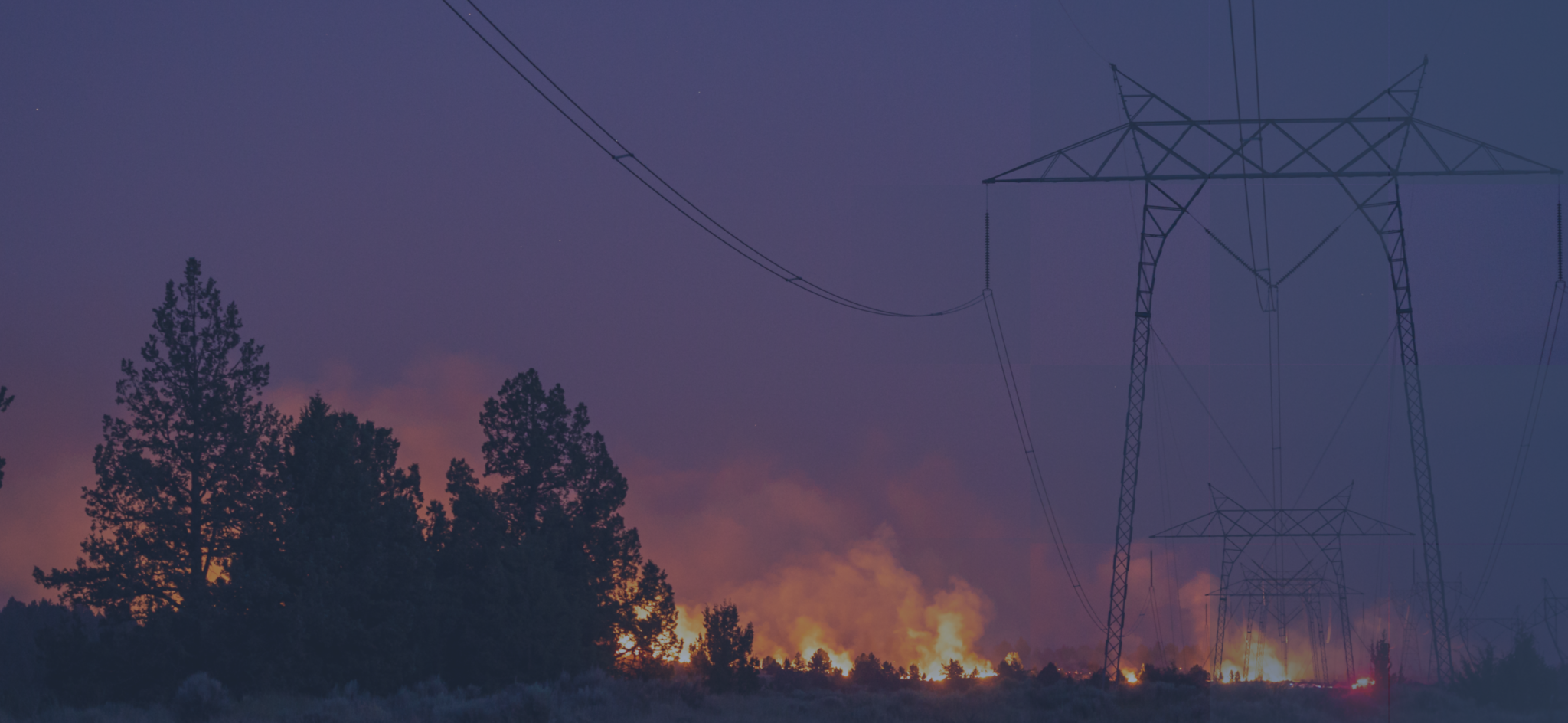
Climate change and extreme weather events such as floods, storms, strong gusts of winds, heatwaves and wildfires are increasing across Europe. Other than severe economic consequences, climate change impacts threaten the well-being of communities and bring implications on ecosystems. They also pose a growing risk to electricity infrastructure, from physical damages such as collapse of pylons to sharp increase in demand for electricity during very hot days.
To help Member States prevent and prepare for the growing impacts of climate change, the European Commission is developing an integrated framework for European climate resilience and risk management. While addressing these needs, preparing electricity grids to withstand these impacts for decades to come is therefore crucial to ensure a reliable and stable energy system in Europe.
Incorporating climate adaptation aspects into long-term electricity grids planning
In our recent statement, RGI highlights that this framework and the subsequent steps required for its implementation should therefore consider electricity grids and their unique characteristics. At the same time, they should also ensure the well-being of communities and alignment with nature protection.
These steps align with key principles for effective EU adaptation-policy, recommended by the European Scientific Advisory Board on Climate Change’s (ESABCC).
For this to take place effectively, RGI calls for the following:
01
Develop and adopt shared understanding of definitions and assessments of climate “risks” at EU and Member States levels, while allowing sufficient flexibility to adopt adaptation and resiliency solutions to local contexts.
02
Climate adaptation considerations should be incorporated into planning and designing of grid components and technologies early on and across the grid’s development phases, including also circular approaches and strengthening European and local industrial base.
03
Climate-proofed electricity grids should be developed in accordance with stakeholder engagement, to increase acceptance to adaptation measures and to allow consideration of local knowledge, while identifying economic and other relevant opportunities for stakeholders.
04
When grid routes share the same space with other infrastructure such as water and transportation, cross-sector collaboration should be advanced, to increase efficiency of processes and technologies when applicable.

More on RGI’s recent work accompanying this statement

contact
Dr. Andrzej Ceglarz
andrzej[at]renewables-grid.euDirector – Energy Systems

Dr. Ira Shefer
ira[at]renewables-grid.euManager – Energy Systems

Alexandros Fakas Kakouris
alexandros[at]renewables-grid.euSenior Manager – Energy and Policy Systems

Dr. Andrzej Ceglarz
andrzej[at]renewables-grid.euDirector – Energy Systems
Dr. Ira Shefer
ira[at]renewables-grid.euManager – Energy Systems
Alexandros Fakas Kakouris
alexandros[at]renewables-grid.euSenior Manager – Energy and Policy Systems