
Four practices in renewables integration and grid deployment awarded Good Practice of the Year at RGI Grid Awards ceremony in Brussels
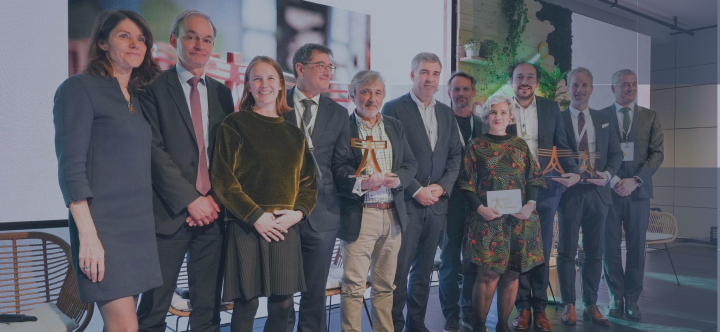
BRUSSELS, 2 DECEMBER 2025 – The Renewables Grid Initiative (RGI) has announced the four winners of the 12th annual RGI Grid Awards at the 6th PCI Energy Days organised by the European Commission, honouring them for their excellence in grid deployment and renewables integration.
The award jury, comprising electricity system, climate protection and biodiversity experts from the EU and US, selected the Good Practices of the Year: one for each of the three award categories—communication and engagement, environmental protection, technological innovation and system integration—and a special recognition award for outstanding social achievement.
“Initiatives like the RGI Grid Awards show that our vision is already taking root in real life projects. By recognising innovation, environmental responsibility, and genuine public participation, RGI and its partners demonstrate that building grids can go hand in hand with protecting nature and empowering people,” said European Commissioner for Energy and Housing Dan Jørgensen.
“These projects are proof that when we engage early, plan wisely, and act together, we make the energy transition both faster and fairer for all. I warmly congratulate this year’s winners and participants. You embody the spirit of cooperation and trust that defines our Energy Union and that will deliver a clean-energy future for Europe.”
Aligning with the Commissioner’s messages, RGI CEO Antonella Battaglini underscored the critical need for innovation that benefits both nature and communities. She said: “We must work harder than ever to protect the environmental and cultural value that electricity grids can offer. RGI is committed to this. Through our global GINGR initiative, we are developing tools and methods to assess contributions to Nature-Positive, and together with ACER and the European Commission we are shaping Public Engagement Plans that will make community involvement easier and more effective. Today’s award winners are leading by example—showing us what successful implementation looks like. My heartfelt congratulations to them.”
Communication & Engagement
WIMBY (Wind in My Backyard) by Utrecht University and BOKU University

This project – involving researchers from the Copernicus Institute of Sustainable Development at Utrecht University and Boku University – has developed free, interactive tools to support inclusive planning and public engagement for wind energy projects. Combining an online map, a forum, and an immersive 3D platform, WIMBY enables users to explore impacts such as noise, biodiversity, and visual change. Co-created with stakeholders, the tools foster collaboration, improve understanding, and help identify socially acceptable and technically sound turbine locations, supporting a just and informed European energy transition.
“The energy transition is one of the principal social challenges we face. Despite broad consensus on the necessity of this transformation, numerous conflicts arise when the energy transition is implemented at the regional level in specific projects. The social dimension must therefore also be incorporated into the planning of these projects,” said Luis Ramirez Camargo, Utrecht University.
“Integrating the social side into the energy transition requires new forms of communication, collaboration, and social learning to initiate sustainable decisions. With our WIMBY tools, we want to contribute to the fact-based negotiation of different interests and goals around the further integration of wind power,” said Thomas Schauppenlehner, BOKU University.
Technological Innovation & System Integration
Unlocking 25%+ Grid Capacity by Arne Brufladt Svendsen and Tørris Digernes
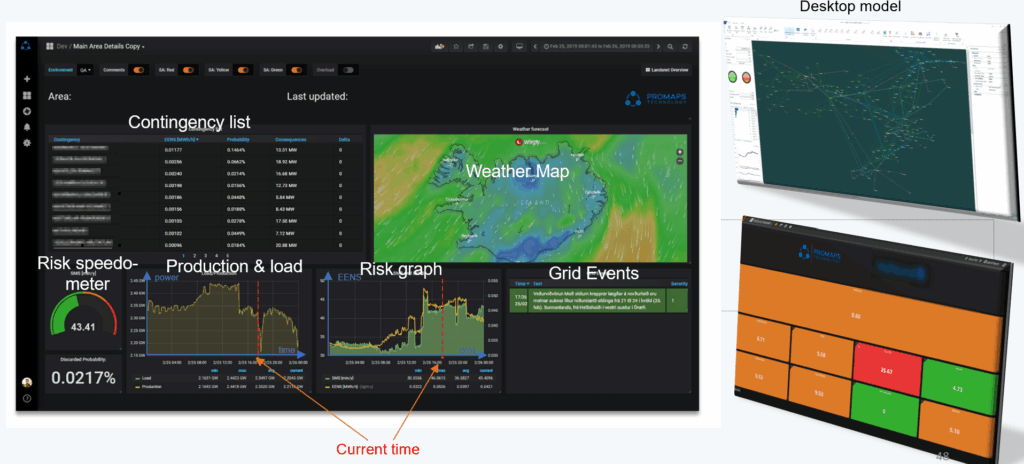
For this project, Tørris Digernes and Arne Brudflad Svendsen developed a real-time probabilistic forecasting tool, Promaps Realtime, that continuously assesses grid capacity and operational risk, now supporting Norway’s Maksgrid initiative to boost utilisation by 25%. It predicts congestion, faults, and weather stress, guiding renewable and flexibility planning. Compatible with existing SCADA systems, it improves TSO-DSO coordination and enables proactive, risk-based decisions for a safer, faster, and more cost-efficient energy transition. Reacting to winning the award, Arne Brufladt Svendsen said:
“We’re honored to be recognised by the jury, RGI, and the European Commission, underscoring the vital role near real-time probabilistic risk assessment will play in managing power system risk and enabling greater flexibility and capacity.”
Environmental Protection
Seeking Safe Skies for the Bearded Vulture by Red Eléctrica, in collaboration with the Foundation for the Conservation of the Bearded Vulture
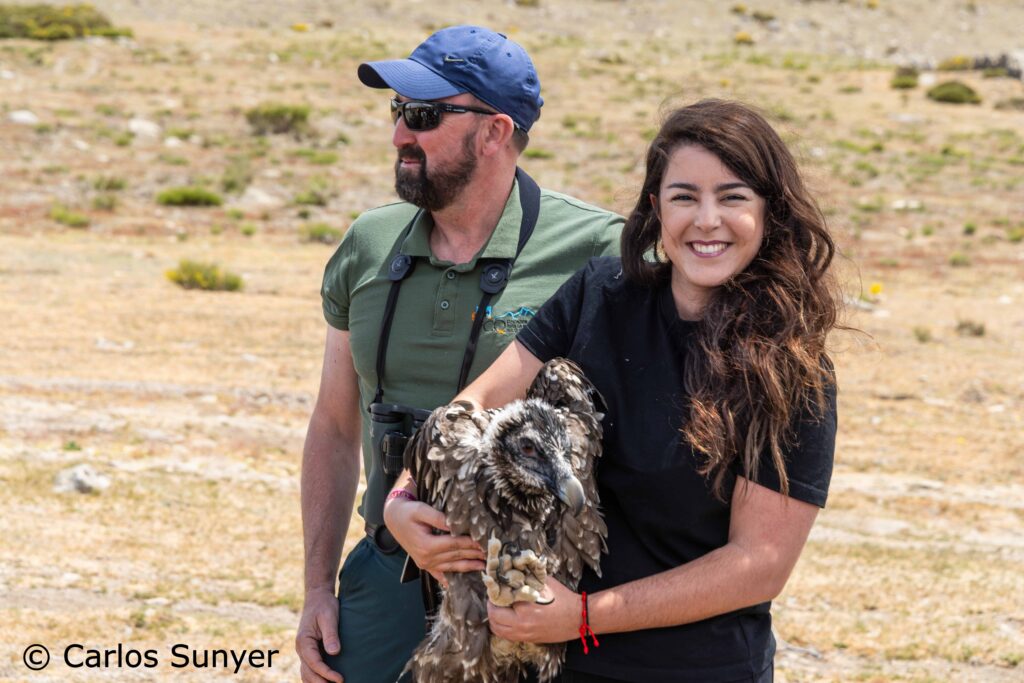
This project by the Spanish TSO Red Eléctrica in collaboration with the NGO Foundation for the Conservation of the Bearded Vulture focuses on providing safer habitat for the Bearded Vulture by installing bird diverters on grid infrastructure. The diverters are estimated to reduce collisions by 70%. In response to winning the award, Luis Velasco, Head of Facilities Development and Support at Red Eléctrica, said:
“Red Eléctrica and the Foundation for the Conservation of the Bearded Vulture are honoured to receive this award in recognition of their collaborative efforts on the project Seeking Safe Skies for the Bearded Vulture. This initiative exemplifies how strategic partnerships between the energy sector and conservation organisations can deliver tangible results for biodiversity protection. By mitigating collision risks along power lines, the project safeguards not only the bearded vulture but also other vulnerable species. With over 240 kilometres of lines already marked and full implementation planned by 2025, this achievement underscores our commitment to ensuring harmony between critical infrastructure and the preservation of natural ecosystems.”
Social Achievement
AquaSol for Equity by Green Hope Foundation
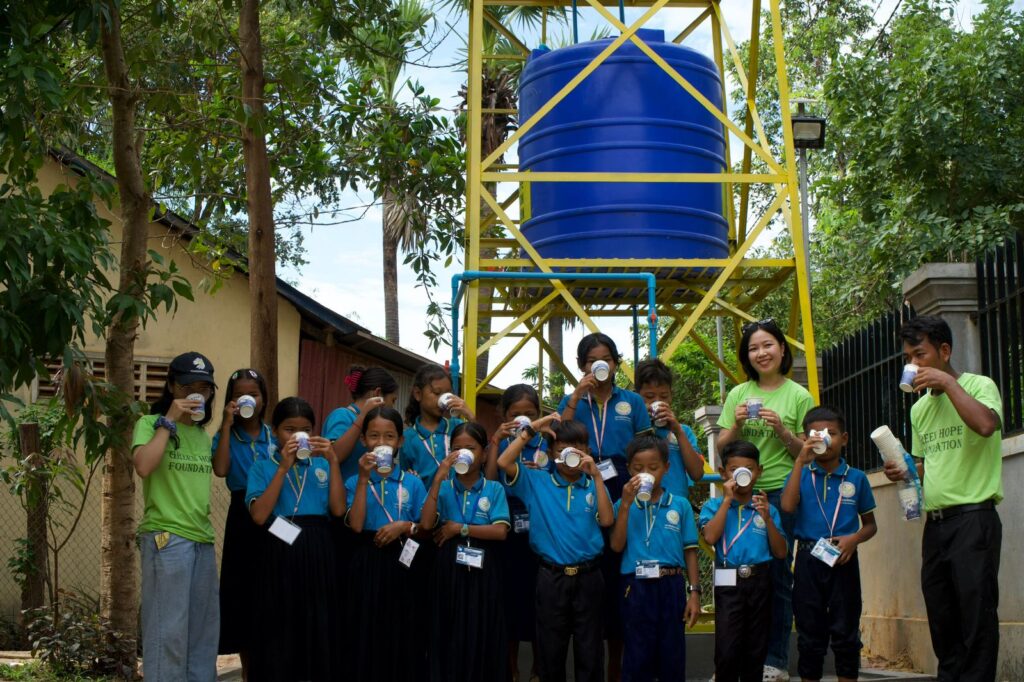
Green Hope Foundation’s AquaSol for Equity provides clean water to Cambodia’s floating villages using solar-powered distillation. Each modular unit produces 100–125 litres of drinking water daily, benefiting around 900 people. The initiative combines technology with youth-led WASH education, improving health, school attendance, and climate resilience. By reducing waterborne diseases by 50% and CO₂ emissions by 12 tons annually, it offers a scalable, community-driven model for sustainability. In response to receiving the award, Kehkashan Basu, Founder-President of Green Hope Foundation, said:
“We, Green Hope Foundation, are truly grateful for RGI Grid Awards’ recognition of our clean energy-driven, youth-led, and community-rooted solution. The impact of our solution is already visible in communities where clean, safe water is no longer a distant hope but an everyday reality, where families who once relied on contaminated sources now have reliable access to purified water powered entirely by the sun, improving health and restoring dignity. Being the recipient of the Social Achievement Award strengthens our commitment to delivering sustainable, solar-powered clean water solutions where they are needed most.”
Photos

Learn more
contact
Stephanie Bätjer
stephanie[at]renewables-grid.euDirector – Communication

Mara Zainea
mara[at]renewables-grid.euManager – Communication

Stephanie Bätjer
stephanie[at]renewables-grid.euDirector – Communication
Mara Zainea
mara[at]renewables-grid.euManager – Communication