
 2025
2025
 Germany
SAMS (Sustainable AI-driven Management of Vegetation and Ecological Systems) by E.ON in Sweden focuses on using AI – drawing on GIS-based tools, satellite imagery, species databases and weather APIs – to sustainably manage vegetation in corridors below overhead power lines. The project has supported 400 interventions in corridors and and 100’s of hours of ecological enhancing measures.
Highlights
01
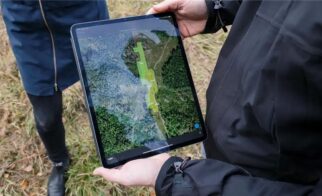
The system uses freely available remote sensing data to predict ecological conditions such as ecosystem health and vegetation growth.
02
SAMS predicts outages caused by vegetation, potentially supporting grid reliability and averting damage to lines and reducing maintenance costs.
03
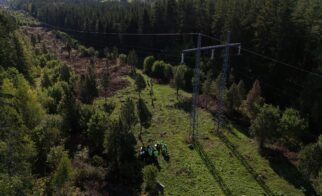
The project has supported 400 interventions in corridors below power lines and 100 hours of ecological enhancing measures.
Main Information
The Sustainable AI-driven Management of Vegetation and Ecological Systems (SAMS) project by E.ON focuses on using AI to manage vegetation below power lines in Sweden. The project combines open-source species observations, habitat data, weather information and GIS mapping to detect biodiversity hotspots and predict vegetation growth and identify risks. This allows the grid operator to make more targeted ecological interventions, reduce maintenance costs and avoid power outages caused by vegetation growth.
Power and grid operators need to maintain clear corridors for safety and reliability but maintenance can conflict with ecological goals, if not conducted carefully. Conventionally, this has followed fixed schedules with limited site-specific data and reactive interventions, whereas SAMS uses available information to support predictive management and proactive planning. It also improves decision-making and maintenance activities on the ground by providing additional tools and insights.
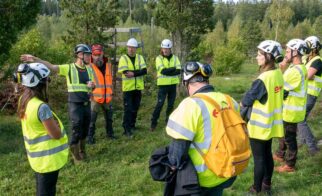
E.ON is partnering with Greensway AB as a consultant on ecological corridor management, also connecting the energy company with universities for research on landscape ecology.

other practices