
 2025
2025
 Netherlands
SeaLab, located at Hollandse Kust Zuid (HKZ) offshore wind farm, works together with scientists, NGOs and university partners on environmental pilot projects combined with strategic communications campaigns and stakeholder engagement. They aim to drive innovative scientific research while presenting offshore wind as a facilitator of biodiversity, circularity, and sustainable marine co-use.
Highlights
01
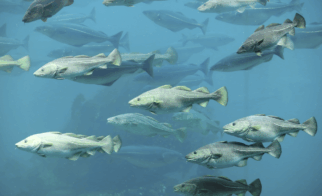
The initiative identifies core environment and sustainability themes to explore at HKZ, including measures to enhance marine biodiversity, recycle blades, and reduce underwater noise.
02
SeaLab’s modular structure assists in the concept’s transferability to other offshore wind farms.
03
Building on its success at HKZ, the initiative has attracted international attention for its potential application in future tenders and projects.
Main Information
SeaLab at the Hollandse Kust Zuid offshore wind farm was launched to show that offshore wind farms can contribute not only to fossil-free energy production but also to environmental innovation and biodiversity. In collaboration with a broad network of partners, including universities, research institutes, NGOs, and communications agencies, SeaLab develops environmental pilot projects, analyses data, and generates awareness through targeted stakeholder engagement and communications campaigns.
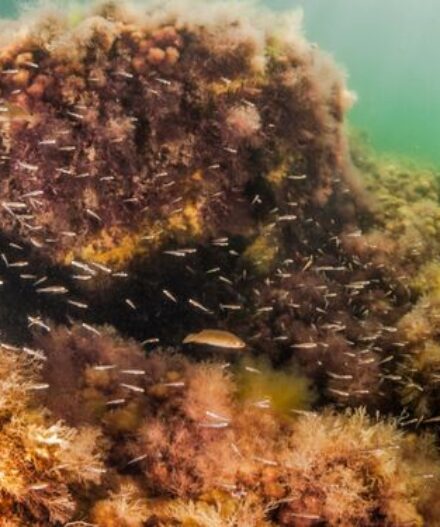
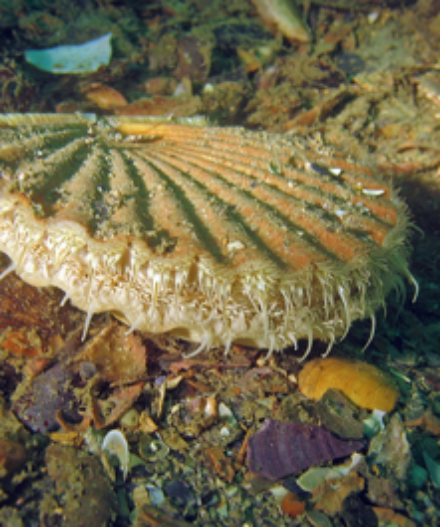
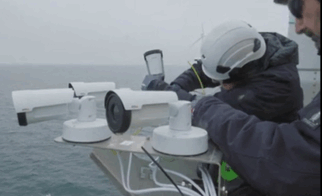
The core environmental and sustainability themes investigated at HKZ include bird collision monitoring using AI-powered thermal cameras; nature-inclusive design to enhance marine biodiversity; blade recycling to address circularity challenges; seaweed farming and passive fishing for multi-use of marine space; and underwater noise mitigation using air bubble curtains.
Targeted communications and stakeholder engagement play a crucial role in SeaLab. Vattenfall promotes SeaLab through targeted LinkedIn campaigns and highlights it internally via workshops, newsletters, and stakeholder briefings. Key initiatives are further showcased at industry forums and conferences.
SeaLab aims for its concept to be replicable in other offshore wind installations. Scientific partnerships, standardised pilot frameworks, and a flexible, locally adaptable communications model ensure transferability while maintaining a coherent sustainability message. The initiative’s success has already inspired interest in replication in Denmark and Germany.