
NID4BirdLIFE aimed to support of the black-legged kittiwake (Rissa tridactyla) population by creating a durable breeding stronghold on the Princess Elisabeth Energy Island. This was to be achieved through the integration of Nature-Inclusive Design (NID) elements (bird ledges) into the island’s wave walls. The project however was terminated in 2026 and the NID elements were not implemented. For more information, please see the press release about the discontinuation of the project below.
What was NID4BirdLIFE?
NID4BirdLIFE aimed to support of the black-legged kittiwake (Rissa tridactyla) population by creating a durable breeding stronghold on the Princess Elisabeth Energy Island. This was to be achieved through the integration of Nature-Inclusive Design (NID) elements (bird ledges) into the island’s wave walls.
The Princess Elisabeth Island, located off Belgium’s North Sea coast, will be the world’s first energy island. It will serve as an electricity hub, bundling together the cables of the surrounding offshore wind farms in order to bring the power generated to land. It will also act as a landing point for the interconnectors between Belgium and other European countries. For its construction, an innovative approach incorporating ‘Nature-Inclusive Design’ (NID) was embraced. In collaboration with experts in nature conservation, marine restoration and ecology, Elia developed specific measures to enhance biodiversity and support marine life around the island.
What were the anticipated effects?
The energy island’s size makes it possible to roll out NID elements on a large scale.
It is estimated, based on previous projects and models, that at least 250 to 1,000 breeding pairs of black-legged kittiwakes would be nesting on the installed ledges by 2030, the end of the NID4BirdLIFE project.
Over time, a stable colony of black-legged kittiwakes may develop, potentially reaching over 5,000 breeding pairs by 2050. This could represent a significant benefit for the population, as no breeding pairs of Rissa tridactyla currently exist in the Belgian part of the North Sea. Creating favourable breeding opportunities could provide a vital boost to this vulnerable species in the North Sea region.
Additionally, nesting behaviour and breeding success will be closely monitored using cameras installed on the breeding ledges.
Nature-inclusive design
In 2022, Elia collaborated with experts in nature conservation and marine environment from public and private institutions, universities, consultancies and non-governmental organisations to ensure the Princess Elisabeth Island project positively impacts biodiversity and enriches marine life.
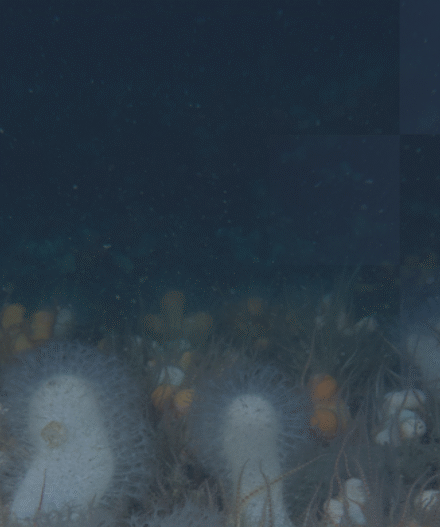
The Island’s design and functionality will contribute to achieving European climate and biodiversity goals. Measures to enhance biodiversity extend both above and below the waterline. Underwater measures include relief panels for smaller marine organisms, complex scour protection, and structures designed to support the European flat oyster.
Who were the partners?
The project will be carried out by a consortium of partners consisting of the Royal Belgian Institute of Natural Sciences (RBINS), the Research Institute for Nature and Forest Flanders (INBO), Elia and RGI.
What was RGI’s role?
Building on extensive experience, RGI was in charge on the one hand of outreach and networking, including identification of the events, associations and networks of relevance to the project. On the other hand, RGI led stakeholder engagement with specific focus on replication and exploitation of the project results, particularly the public authorities and policy makers, the market participants and the academic and research community. An expert workshop took place in Brussels in November 2025, and a State-of-the-Art Report on NID for birds was published in 2026 and is available for download below.


contact
Manon Thiel
manon[at]renewables-grid.euManager – Energy and Nature
Manon Thiel
manon[at]renewables-grid.euManager – Energy and Nature
related resources