
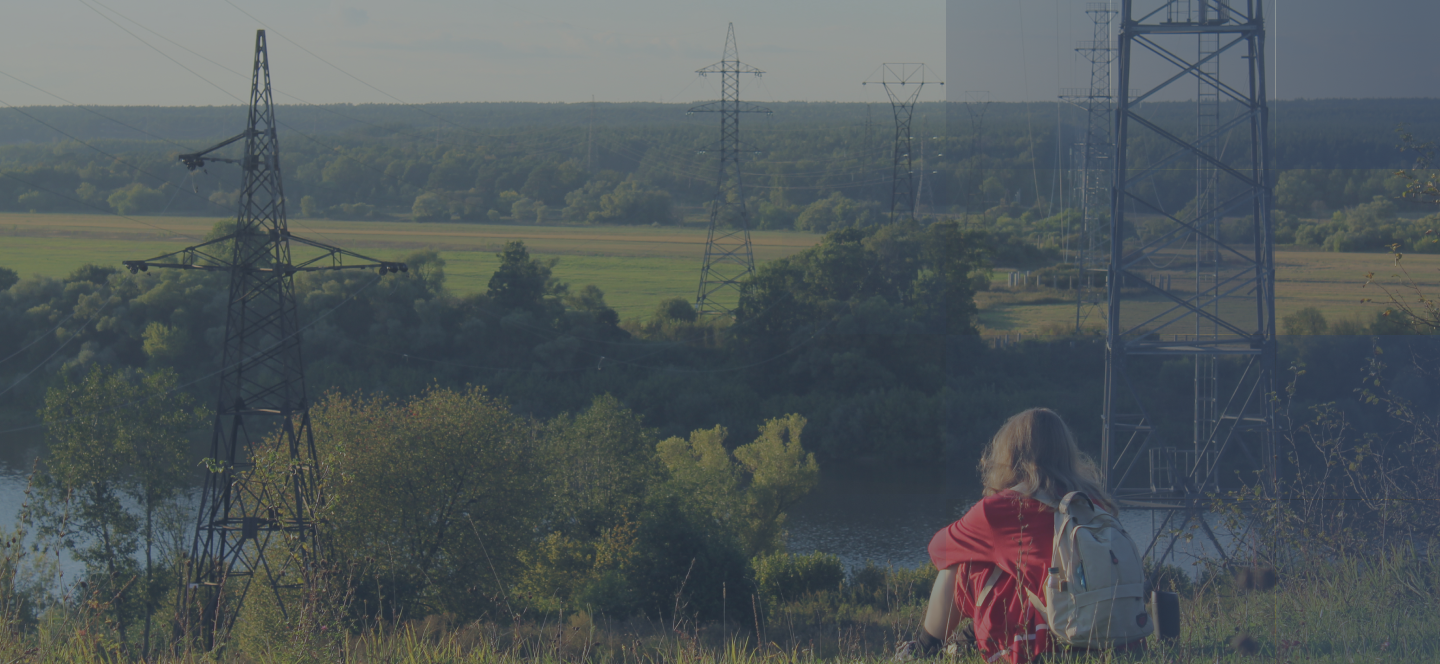
While accelerating grid deployment and enhancing existing ones is essential to support the rapid growth of renewable energy and electrification, grid projects cannot be planned or implemented in isolation. They must consider the communities and environments they affect, ensuring that local stakeholders are not only informed but also empowered to benefit meaningfully from infrastructure development.
For years, benefit-sharing in grid projects focused narrowly on monetary compensation for directly affected landowners or one-off community payments. However, a holistic that creates social, environmental, and economic value can help foster fairness, legitimacy, and long-term trust.
Why community and local benefits matter?
Grid development often faces local opposition, but meaningful engagement can turn challenges into opportunities. Community and local benefits schemes address this by:

Providing funds and resources for local needs, from schools and playgrounds to nature protection. These investments go beyond mandated compensations, improving well-being and social cohesion.

Empowering local voices, allowing communities to shape decisions that impact their lives and surroundings. This participation strengthens democratic processes and ensures benefits align with local priorities.

Building trust and acceptance through transparent and inclusive processes. Particularly for grid operators, such benefits can serve as tools to enhance public acceptance, demonstrating a commitment to support the impacted communities.
Learn more
Seeking to define how community and local benefits can be effectively implemented in electricity grid projects, RGI published the report ‘Community and Local Benefits from electricity grid infrastructure’. By sharing knowledge, fostering dialogue, and highlighting best practices, the report aims to inspire grid operators to implement CLBs to strengthen communities. Check out the report and other outcomes on this thematic below.

contact
Stephanie Bätjer
stephanie[at]renewables-grid.euDirector – Communication

Dr. Andrzej Ceglarz
andrzej[at]renewables-grid.euDirector – Energy Systems

Dr. Ira Shefer
ira[at]renewables-grid.euManager – Energy Systems

Stephanie Bätjer
stephanie[at]renewables-grid.euDirector – Communication
Dr. Andrzej Ceglarz
andrzej[at]renewables-grid.euDirector – Energy Systems
Dr. Ira Shefer
ira[at]renewables-grid.euManager – Energy Systems
topic-related resources