
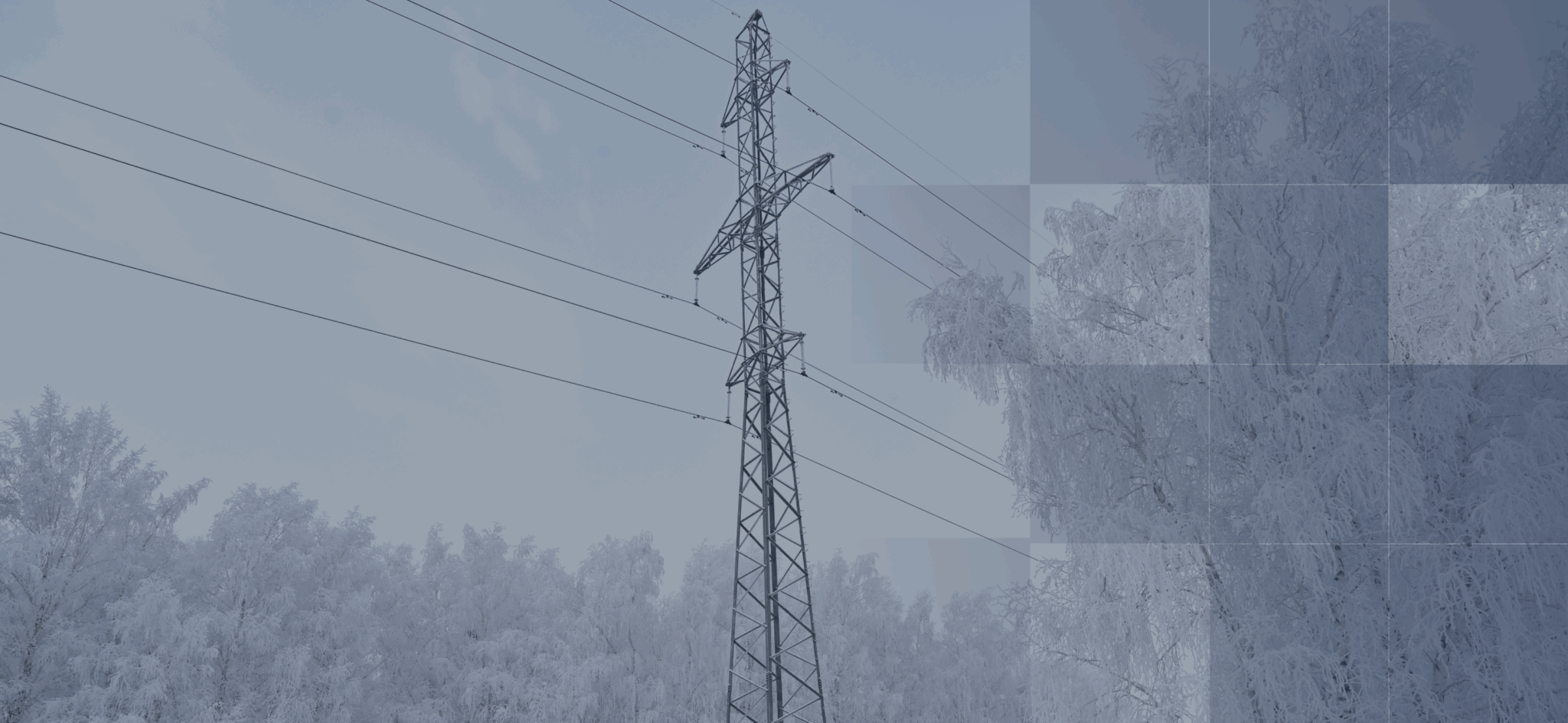
As part of RGI’s work on supporting climate-proof electricity grids, RGI is excited to launch the Climate Hazards Dataset. The publication maps the main climate hazards affecting electricity infrastructure across Europe and corresponding adaptation measures.
Designed for grid planners, policymakers, researchers and the public, the dataset provides insights into climate-hazard definitions and their impact on infrastructure. Both direct hazards, such as floods, heatwaves, wildfires, and storms, as well as indirect hazards like droughts, are covered in the resource.
Showcasing measures to tackle these challenges exist, the resource also highlights potential adaptation measures to address these impacts and real-world examples of measures implemented by European grid operators.
With this dataset, RGI can contribute to grid-resilient planning, risk assessment, and decision making on climate-adaptive investments. We will keep this dataset up to date with more examples and information. Would you like to share practices or insights from climate-proof grids? Contact us below!
Supporting climate-proof grid planning
The dataset was developed to support our joint work with ENTSO-E on embedding climate resilience into long-term grid planning processes. Since 2023, RGI and ENTSO-E co-developed a framework to guide a new quantitative indicator for climate adaptation and resilience under ENTSO-E’s Cost-Benefit Analysis (CBA) methodology.
As part of the 2026 update of ENTSO-E’s Ten-Year Network Development Plan (TYNDP), ENTSO-E is publishing the 4th edition of the CBA Implementation Guidelines, with a public consultation open until 6 February. Stakeholders are welcome to provide feedback on the revised CBA methodology, including the new climate indicator!

contact
Dr. Andrzej Ceglarz
andrzej[at]renewables-grid.euDirector – Energy Systems

Dr. Ira Shefer
ira[at]renewables-grid.euManager – Energy Systems

Sara Gaçe
sara[at]renewables-grid.euJunior Consultant

Dr. Andrzej Ceglarz
andrzej[at]renewables-grid.euDirector – Energy Systems
Dr. Ira Shefer
ira[at]renewables-grid.euManager – Energy Systems
Sara Gaçe
sara[at]renewables-grid.euJunior Consultant
more news