
 2025
2025
 Cambodia
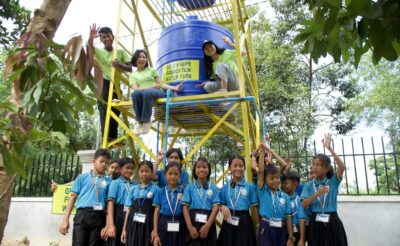
Green Hope Foundation’s AquaSol for Equity provides clean water to Cambodia’s floating villages using solar-powered distillation. Each modular unit produces 100–125 litres of drinking water daily, benefiting around 900 people. The initiative combines technology with youth-led WASH education, improving health, school attendance, and climate resilience. By reducing waterborne diseases by 50% and CO₂ emissions by 12 tons annually, it offers a scalable, community-driven model for sustainability.
Highlights
01
50% reduction in waterborne diseases within six months of installation.
02
12 tons of CO₂ emissions avoided annually.
03
School attendance rose to 90%, benefiting 600 students.
Main Information
AquaSol for Equity by Green Hope Foundation is a community-driven initiative that tackles acute water insecurity in the floating villages of Siem Reap, Cambodia. These communities rely on surface water that is frequently contaminated and increasingly scarce due to climate change. The project provides a renewable, low-maintenance solution by integrating solar-powered water distillation with youth-led education and capacity-building, offering safe, sustainable drinking water where traditional purification systems are not feasible.
Each modular solar unit produces 100–125 litres of clean water daily, supplying around 900 people and avoiding 12 tons of CO₂ emissions per year. The system purifies river, rain, and contaminated groundwater, ensuring a continuous supply even in remote, off-grid settings. Co-designed with residents, the project reflects local needs and cultural practices while fostering ownership and long-term sustainability.
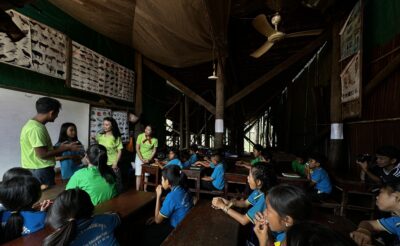
Ten local youth ambassadors under the age of 24 have been trained as Water, Sanitation, and Hygiene (WASH) educators, leading outreach and hygiene campaigns across their villages. Within six months of installation, waterborne diseases were reduced by 50 percent, and school attendance rose to 90 percent. Additional solar panels now power lights and fans in classrooms, improving learning environments and reducing absenteeism.
AquaSol for Equity demonstrates how renewable technology can advance social inclusion, gender equality, and environmental protection simultaneously. It provides tangible public-health improvements while building resilience to climate change through education, awareness, and community engagement.The practice’s modular, replicable design enables expansion to other water-stressed regions. It has already been implemented in the Small Island Developing State of Kiribati and showcased internationally at COP 29 and sustainability forums. By merging solar innovation with social equity, AquaSol for Equity offers a holistic, scalable model for clean-water access, youth empowerment, and climate adaptation, proving that community-based, renewable-energy solutions can transform lives and strengthen resilience worldwide.

other practices