

 2025
2025
 Europe
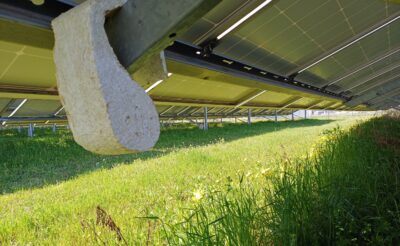
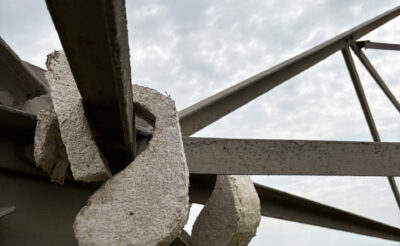
MycoNest is a project launched in Hungary which provides refuges for insects made from mycelium – a root-like structure of fungi – and agricultural residues. The lightweight, biodegradable hooked structures are designed to hang from renewable energy infrastructure such as solar panels, fences, or substations, converting them into hubs for insect biodiversity.
Highlights
01
Insects utilised all installed MycoNest structures, with early colonisation by solitary bees, followed by other insect groups.
02
The use of mycelium, agricultural residues and, optionally, biochar, allows the structures to biodegrade, enriching nearby soils, while embedded wildflower seeds boost pollinator-friendly vegetation.
03
The tool-free, hooked design allows easy mounting, and its annual replacement model suits seasonal climates across Europe and beyond.
Main Information
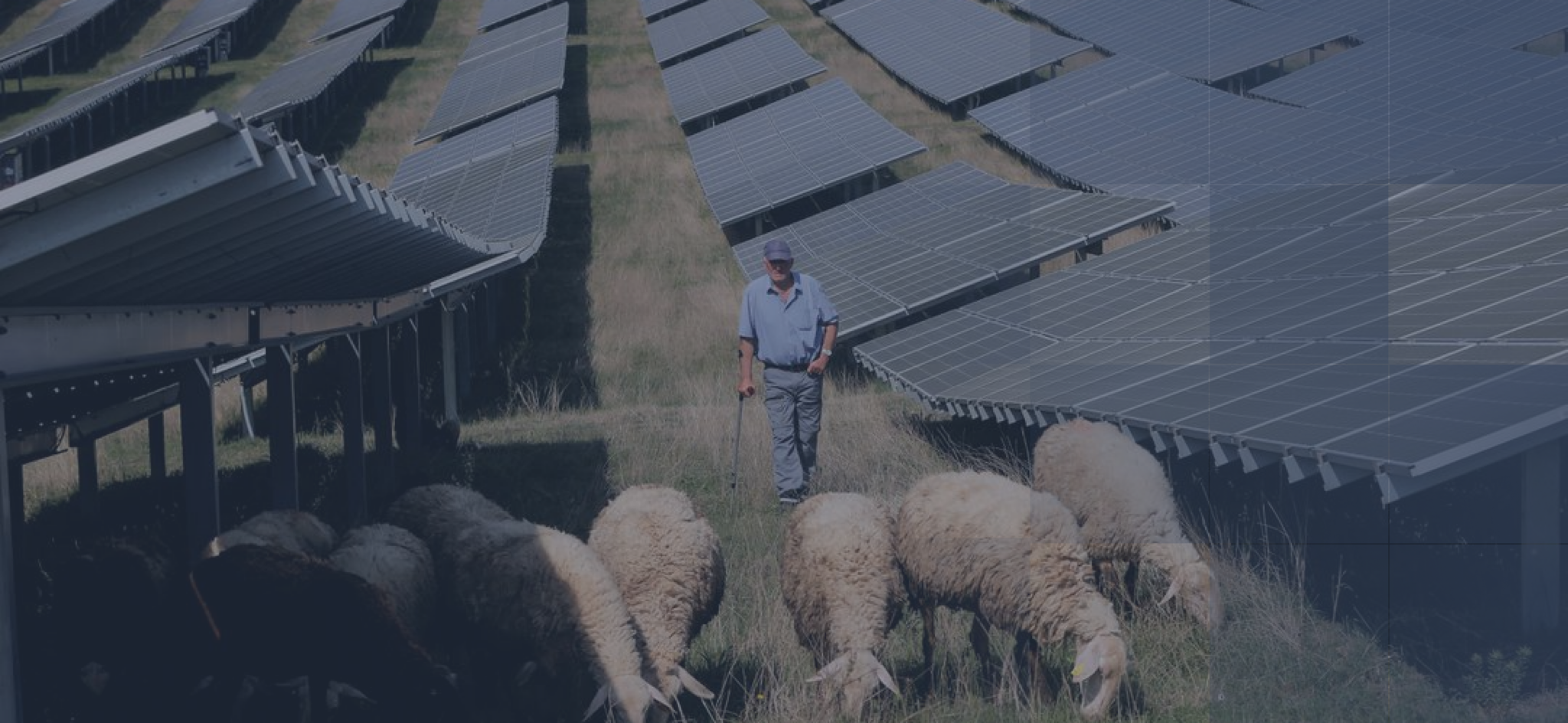
As solar PV expands across Europe, many large-scale solar parks remain structurally simple environments that provide limited shelter for insects, despite offering long, undisturbed lifespans that could support biodiversity. MycoNest was developed in Hungary to address this gap by introducing small, low-weight habitat units designed specifically for grid-adjacent infrastructure such as solar panel frames, fences and substations.
The structures are made from dried mycelium grown on agricultural residues and, optionally, biochar. This creates a rigid but biodegradable composite that can be shaped into hooked, tool-free forms. Once installed, the units offer cavities and sheltered microclimates suitable for solitary bees and other insects. As the material naturally breaks down over its intended 1–2-year lifespan, it enriches surrounding soil with organic matter, and embedded native wildflower seeds promote pollinator-friendly vegetation beneath and around PV arrays. This timed biodegradation ensures that structures do not persist beyond their useful function, preventing the formation of ecological traps.
Early deployments in Hungarian solar parks show consistent insect use, beginning with solitary bees and followed by a broader range of species. The annual replacement model prevents pest build-up and supports seasonal breeding cycles, while the use of renewable bio-waste aligns with circular-economy principles and avoids microplastic pollution. MycoNest provides operators with a simple, scalable way to enhance on-site ecological value and demonstrate alignment with emerging EU biodiversity objectives. Planned pilots in additional European countries aim to further validate performance, adaptability and integration with standard solar-park maintenance practices.

other practices